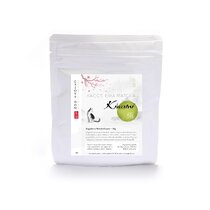
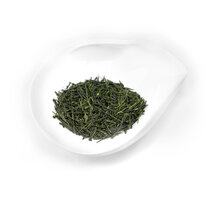
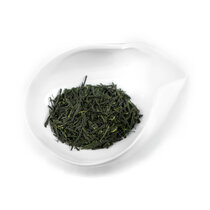
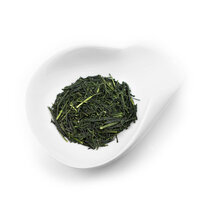
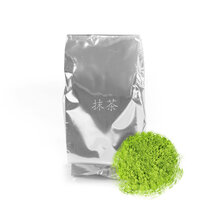
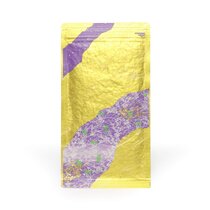
Shaded teas represent the pinnacle of Japanese tea craftsmanship. In the shade, the colour, aroma and character of the leaves are transformed. The result is a tea with a silky texture, gentle sweetness and profound umami depth.
For a few precious weeks before harvest, certain Japanese tea gardens are deliberately deprived of sunlight. Beneath carefully arranged coverings, the youngest leaves develop in softened light, slowly transforming in colour, chemistry and character. This ancient practice of shading — essential in the cultivation of Kabusecha, Gyokuro and Matcha — is not merely an agricultural technique. It is a quiet orchestration of nature, patience and precision.
As sunlight fades, the tea plant responds. Chlorophyll deepens. Amino acids accumulate. Bitterness softens.
By reducing sunlight exposure, tea plants increase their production of amino acids, particularly L-theanine, while lowering catechin levels. The result is a vibrant deep-green leaf and a tea defined not by sharpness, but by balance — silky texture, natural sweetness and the unmistakable depth of umami.
In shaded Japanese tea, harmony is not accidental. It is cultivated.