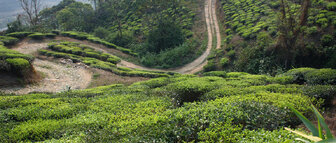
Darjeeling - Place where mountains kiss the clouds
Darjeeling lies on the foothills of the Himalayas in northern India, nestled between Tibet, Nepal and Bhutan. Thanks to its unique climate and altitude, this remarkable region has become one of the most celebrated tea-growing areas in history.
At higher elevations and in cooler temperatures, tea plants grow more slowly. This slower growth allows the leaves to accumulate greater concentrations of aromatic and naturally beneficial compounds. The result is tea of extraordinary fragrance and complexity.
Darjeeling teas are also naturally higher in caffeine, making them uplifting and ideal for morning enjoyment. With their moderate oxidation and preparation at higher water temperatures, they gently warm the body — perfect companions for cooler, misty days.
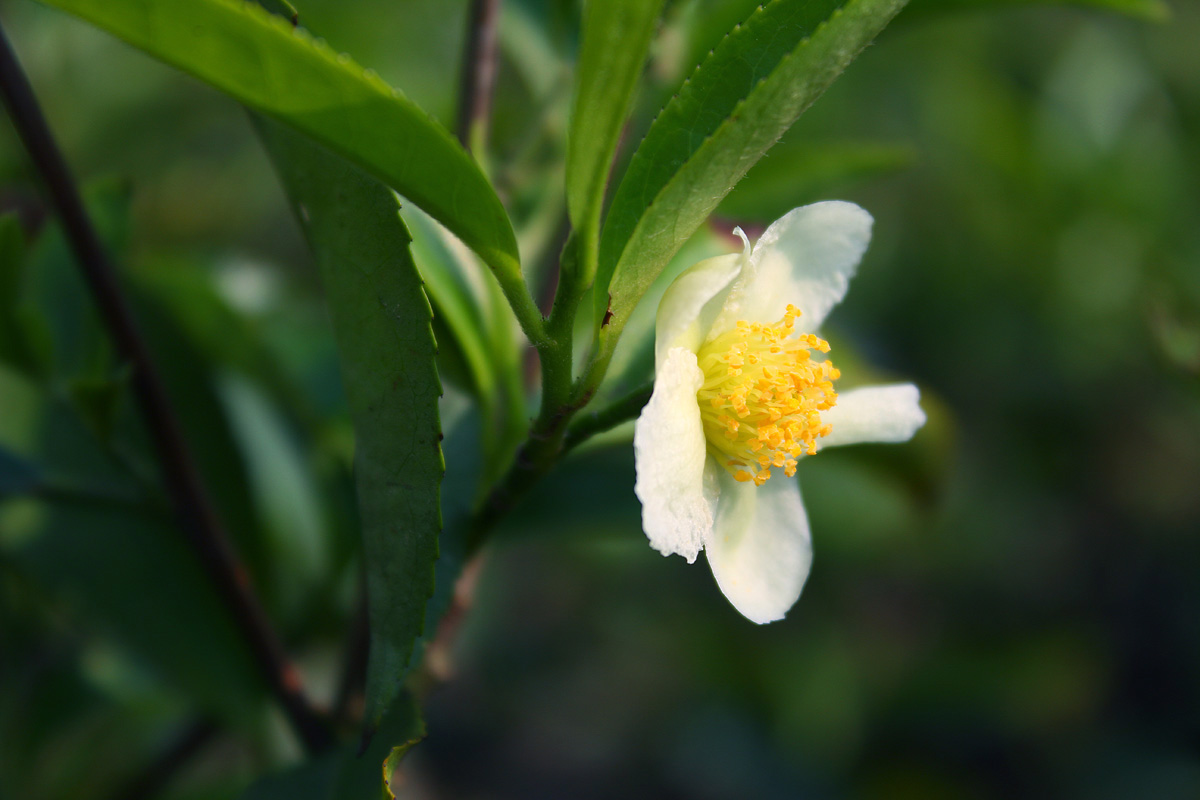
Are Darjeelings black teas? Yes and no.
Darjeelings are referred to as black teas in terms of processing technology, but they have much more in common with oolongs in terms of the degree of oxidation.
An important role in the chosen length of oxidation is played by the substances that the tea plant produces and accumulates at different times during the year.
Depending on the altitude, the first harvests are taken between late February and mid-April. The leaves grow more slowly during this period, which gives them a higher aromatic quality. They are oxidised for a shorter period of time during processing, at around 10-30%, so that their aroma comes out.
Then comes the period called Banji by the Indians, which lasts roughly 3-4 weeks. The tea plant then goes into dormancy and does not produce any leaves as it regenerates.
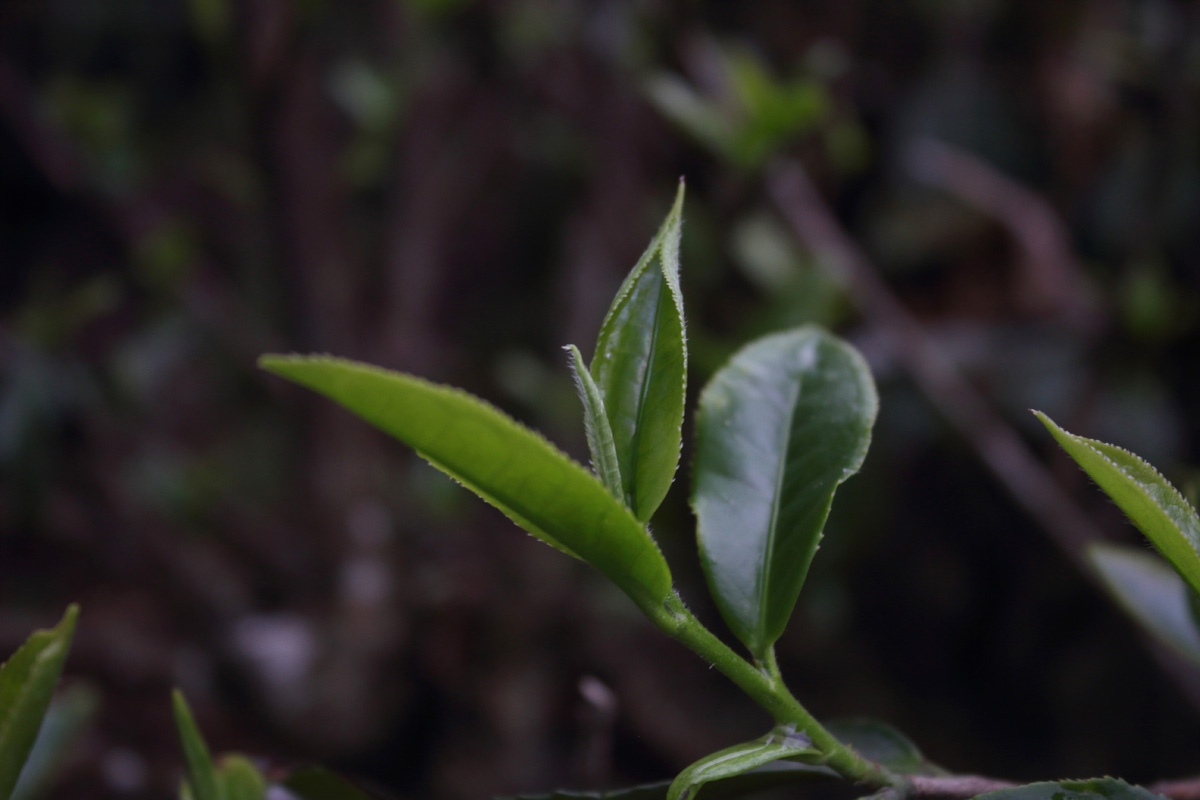
First Flush or Second Flush?
The first harvest begins — depending on altitude — from late February to mid-April. During this time, leaves grow slowly and develop exceptional aromatic intensity. They are lightly oxidised, typically around 10–30%, to preserve their fresh, floral fragrance.
This is followed by a period known in India as Banji, lasting around three to four weeks. During this time, the tea plant enters a natural vegetative pause and produces no new leaves as it regenerates.
In the second half of May, growth resumes. The plant now produces more catechins, making the leaves suitable for longer oxidation. Although Second Flush leaves are larger and firmer than the delicate First Flush leaves, they remain rich in flavour. They are typically oxidised to 60–80%, yet remain gentler and more nuanced than teas from Assam, Sikkim or Ceylon (Sri Lanka).
June marks the beginning of the monsoon season, usually lasting until late August. Heavy rains leach nutrients from the predominantly sedimentary soils. As a result, Autumnal Flush teas often do not reach the same quality level. From our experience, even a two-year-old Second Flush can be fuller and more expressive than a fresh Autumnal harvest.
Why Does Tea Grade Matter?
There are two simple reasons for this: taste and quality.
After processing, tea leaves are sorted using mechanical sieves of varying mesh sizes. The largest, most intact leaves remain on the top screens, while progressively smaller fragments fall through finer sieves. The finest particles — known as “dust” — are typically used for tea bags.
As a general rule, the less broken the leaf, the more refined the infusion. Smaller fragments release tannins and catechins more quickly, often resulting in astringency and bitterness.
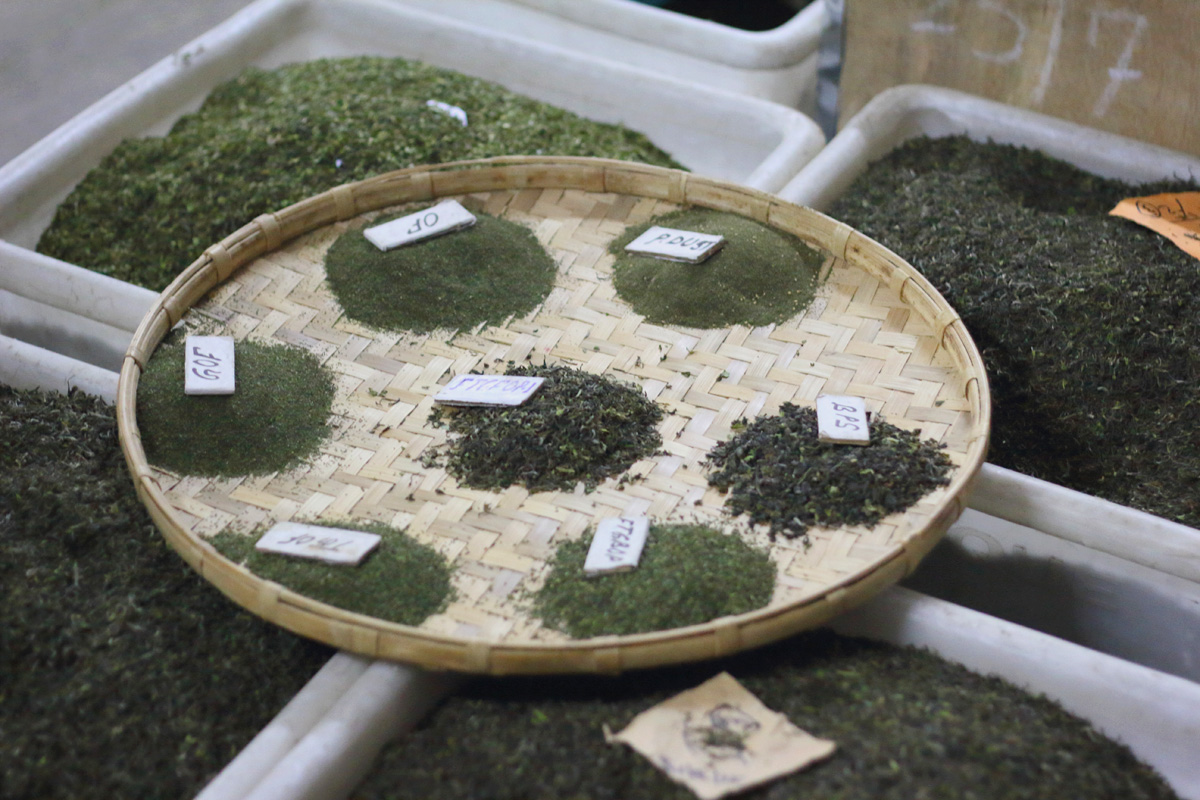
Traditional Tea Grading (British Colonial System)
The following grading system is traditionally used in regions once influenced by British tea trade standards:
Exceptional quality class
SFTGFOP - Special Finest Tippy Golden Flowery Orange Pekoe
Highest quality class
FTGFOP - Finest Tippy Golden Flowery Orange Pekoe
Highest quality class for Darjeeling
FTGFOP1 - Finest Tippy Golden Flowery Orange Pekoe 1
Main class in Darjeeling and Assam with the highest proportion of tips
TGFOP - Tippy Golden Flowery Orange Pekoe
Higher proportion of tips than FOP
GFOP - Golden Flowery Orange Pekoe
Whole leaves located higher on the tea plant
FOP - Flowery Orange Pekoe
Whole leaf class consisting of long, wire leaves without tips
OP - Orange Pekoe
Broken Leaves
BOP - Broken Orange Pekoe
Simply put… the more letters, the higher the grade! :)
Storage and Shelf Life
When properly stored, international literature suggests a shelf life of 3–5 years for Darjeeling teas.
Due to their lighter oxidation, First Flush teas are best enjoyed within three years. Second Flush teas, however, can mature gracefully for a little longer.
That said, freshness matters. The fresher the tea, the richer it is in aromatic compounds — and the more vividly its natural fragrance can be appreciated.