The Story of a Japanese Farmer Who Transformed Soil and Tea Cultivation
For over 40 years, Mr Sakamoto has believed that exceptional tea begins with healthy soil. His approach combines a deep understanding of tea bushes, meticulous care for living soil, and tireless experimentation — from developing his own fermented fertiliser to adopting cultivation practices that respect natural processes. His story is one of perseverance, carving out his own path, and the firm belief that true quality is created long before the tea leaves ever reach the cup.
Today, Shuichiro Sakamoto is one of the leading figures in Japanese organic tea farming. This year, his work earned prestigious recognition: the top prize at the Japan Agriculture Awards.
His teas have been part of our shop for many years, and it is a true honour for us to know him personally. His philosophy, approach to cultivating tea bushes, and respect for nature are values that resonate deeply with our own.
Choosing to Swim Against the Current
In the city of Shibushi in Kagoshima Prefecture, located on the southern island of Kyushu, Mr Shuichiro Sakamoto has been growing tea for decades. As a third-generation farmer, he continues a rich family tradition. However, his personal journey began to diverge from conventional practices over 40 years ago. The turning point came when his mother passed away from cancer. It led him to reflect deeply on the food and tea we consume daily, and the crucial role that farming methods play in their overall quality. Gradually, he arrived at a firm conviction: healthy crops begin with healthy soil.
Back then, organic tea cultivation was in its infancy. There was no certification system in place, and many farmers doubted that tea bushes could be grown without pesticides. Despite this, Mr Sakamoto chose to take the harder road — he stopped using synthetic chemical fertilisers and pesticides altogether.
However, simply eliminating chemicals proved insufficient. The tea bushes needed nourishment, and the soil demanded systematic care. It was at this moment that one of the most vital components of his life’s work began to take shape.
Homemade Fertiliser and Soil That is Alive
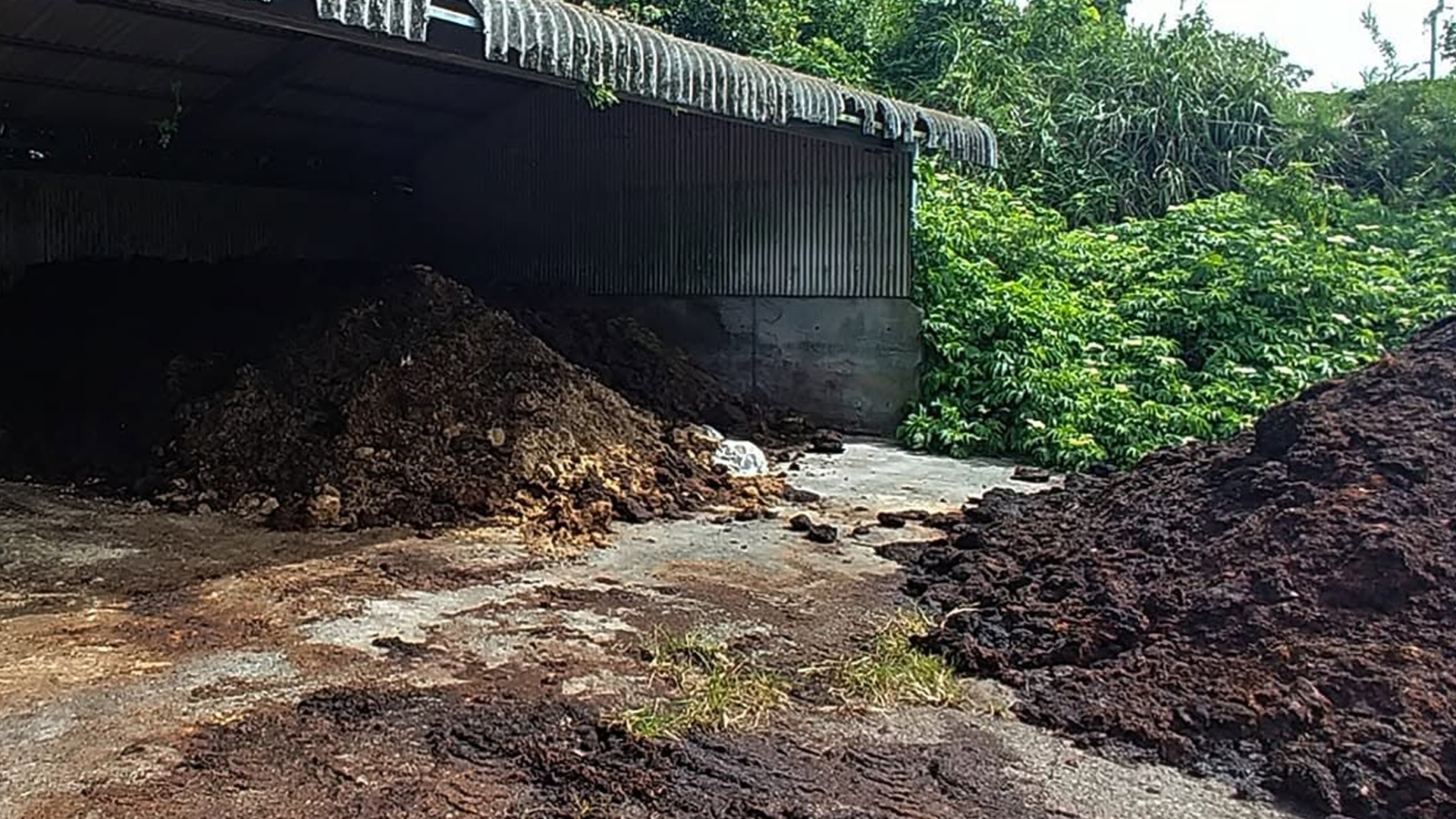
Rather than relying on off-the-shelf solutions, Mr Sakamoto began searching for ways to utilise local resources that would otherwise go unused or end up as waste. The port of Shibushi serves as a gateway for imported animal feed, such as maize and soy from the US, Canada, and Australia. Mr Sakamoto quite literally started utilising whatever he could find on the ground.
To produce his fertiliser, he uses various regional by-products, including grains and agricultural residue. The aim is to return nutrients to the earth and nurture its natural fertility. After years of trial and error, he developed his own fermented organic fertiliser known as bokashi.
Developing this fertiliser was no quick experiment, but rather the culmination of decades of experience and countless attempts. Today, it forms a core part of his cultivation system. He uses it across his own tea fields, and its production has grown into an independent venture that assists other farmers as well.
Mr Sakamoto’s philosophy is clear:
"Soil is not merely a medium in which a plant grows. It is a living system that needs to be nurtured."
40 Years of Working with Living Soil
The fermented bokashi fertiliser, refined over four decades of testing and perfecting, is applied to Mr Sakamoto’s tea fields eight times a year. His goal is to continually restore soil fertility and create the ideal conditions for tea bushes to thrive naturally.
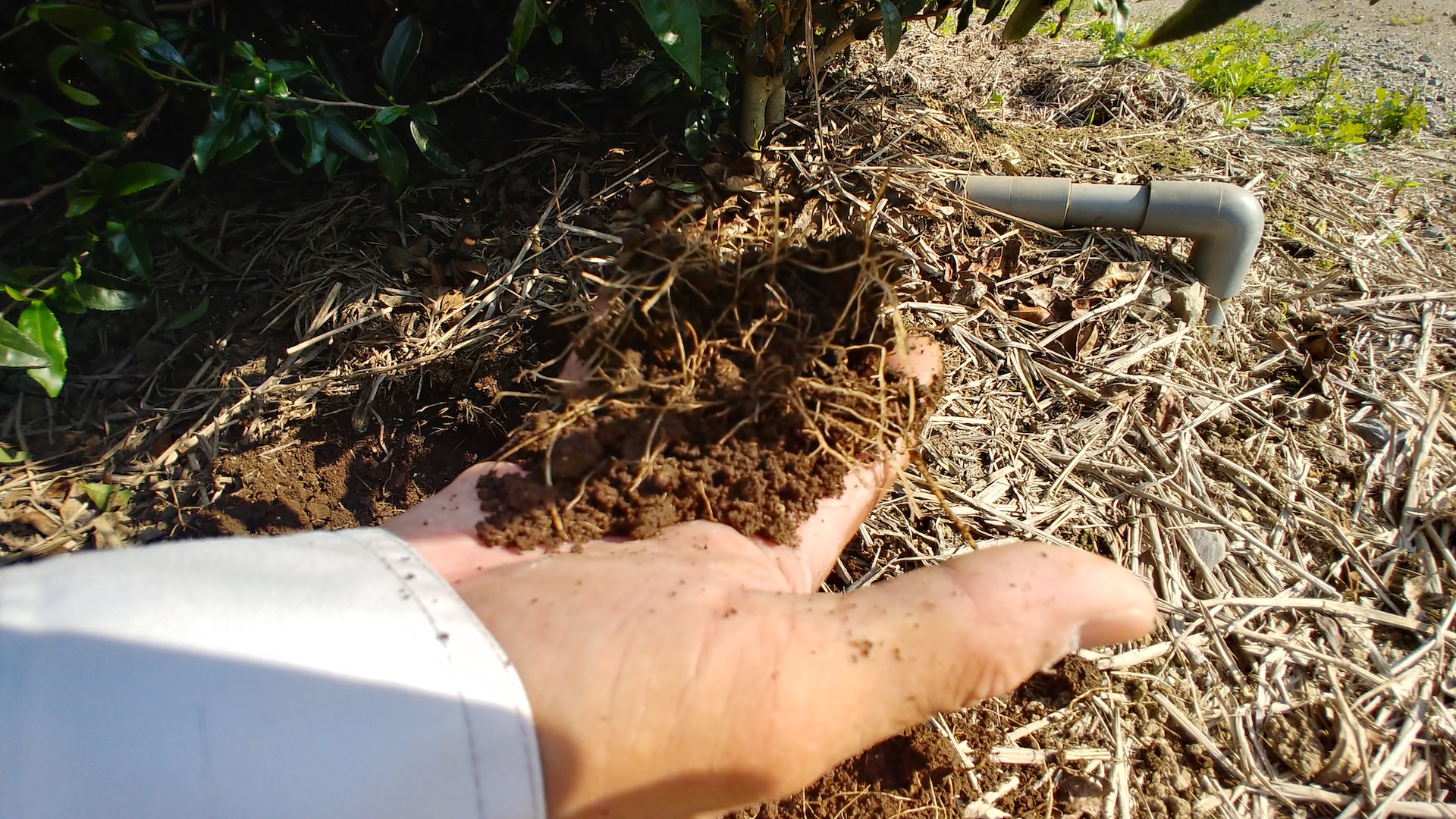
Over time, the soil has transformed into a vibrant ecosystem rich in micro-organisms. Earthworms also play a key role in improving its structure, helping to create a crumbly, well-aerated soil. Today, the earth is so loose and tilthy that, according to Mr Sakamoto, a stick can easily be pushed into the ground to a depth of around one metre.
Soil micro-organisms break down and mineralise organic matter, releasing nutrients that can be readily absorbed by the tea bushes. Furthermore, a diverse microbial community helps suppress certain soil-borne pathogens. The result of this long-term effort is a farming system that places soil health at the very heart of plant growth and leaf quality.
Frost Protection: Making Water an Ally
Spring frosts are among the greatest risks in tea farming, capable of destroying delicate young shoots that growers have anticipated for months. In Kagoshima, Mr Sakamoto’s company developed its own unique method to protect tea bushes from the cold.
Because minimum temperatures in this region can drop below -8°C, frost fans — which blow warmer air down onto the bushes — are simply not enough. Seeking a better solution, Mr Sakamoto consulted international expertise and collaborated with irrigation equipment manufacturers and research centres to develop a method where water is sprayed directly onto the tea leaves. As the water freezes, it releases latent heat, which — under properly controlled conditions — helps maintain the plants' temperature and protects them from frost damage.
This technique requires precise engineering and continuous spraying during high-risk conditions. It stands as another example of how Mr Sakamoto blends decades of traditional farming experience with practical innovation. His work does not merely elevate the quality of his own teas; it contributes to the broader development of farming techniques across the agricultural sector.
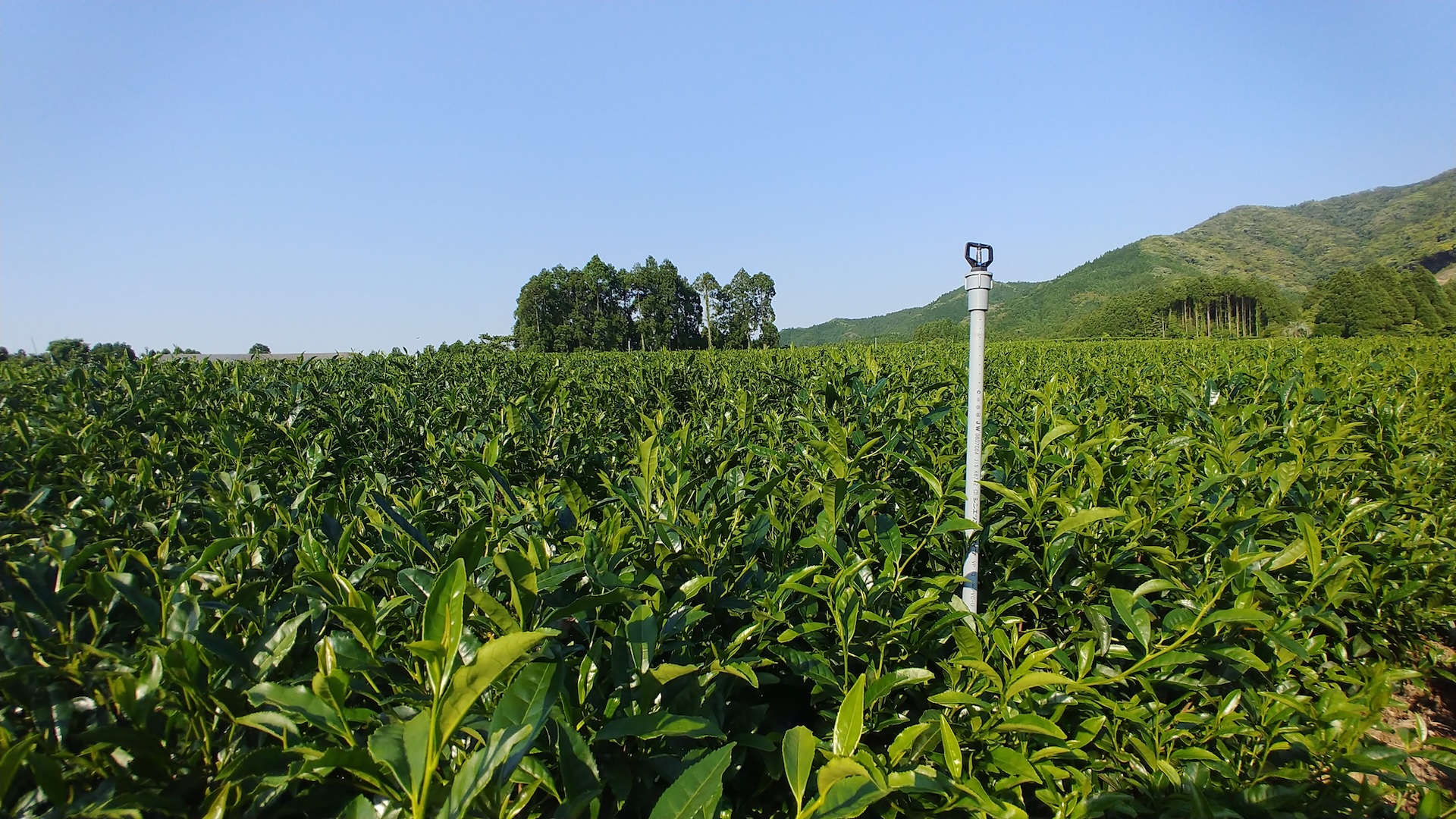
Fewer Harvests, Greater Focus on Quality
On the tea plantations of Mr Sakamoto’s company, a selective harvesting policy is strictly observed. The focus is placed entirely on the first spring harvest, known in Japan as ichibancha. Rather than being harvested for lower-grade tea production, leaves from subsequent flushes are returned to the fields to replenish organic matter and nutrients.
Adopting such a system means forfeiting a portion of potential yield. However, it allows the farm to concentrate all its efforts on carefully selected leaves and high-value teas.
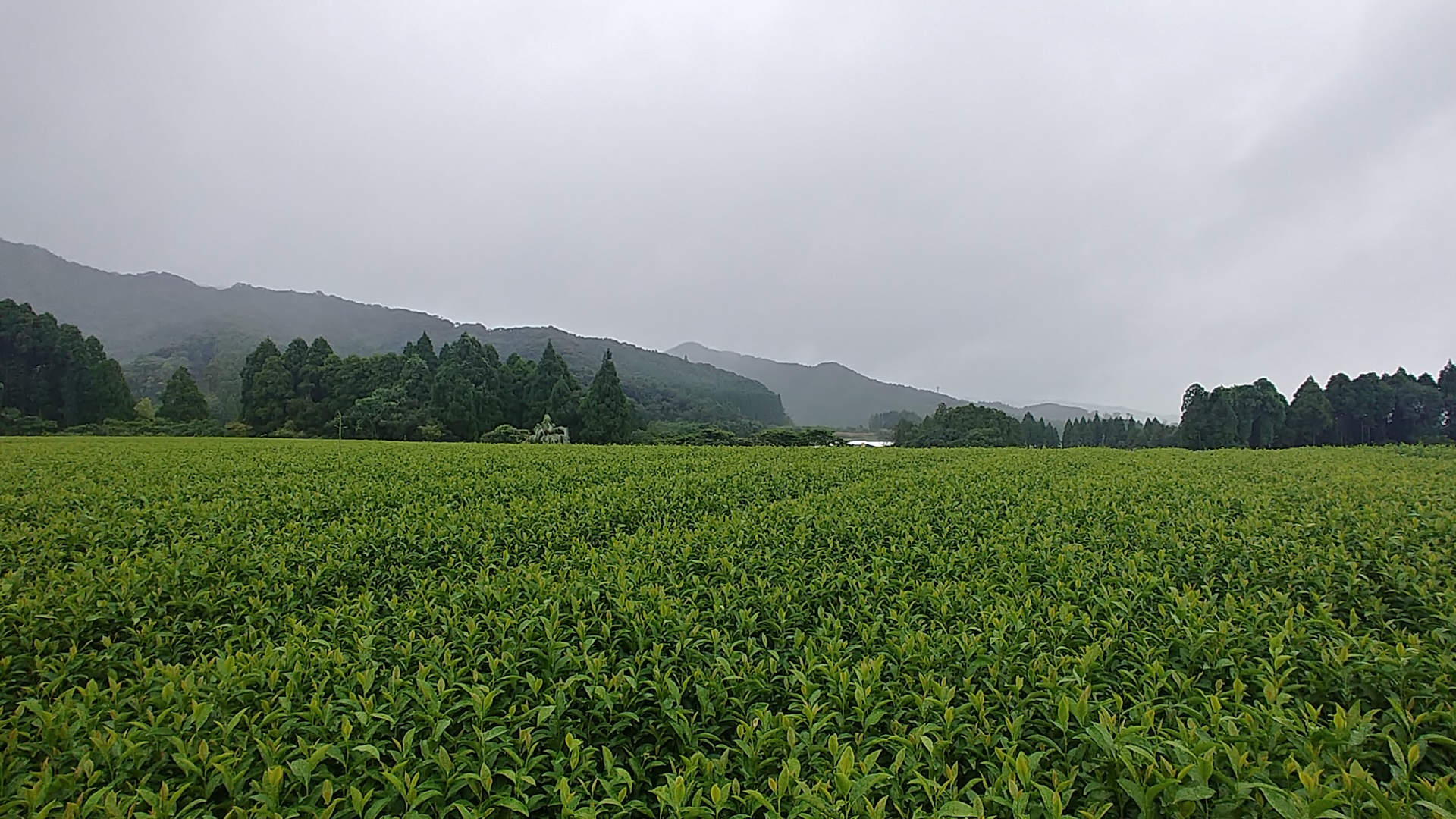
Spanning an area of approximately 5.6 hectares, the estate grows tea leaves for organic gyokuro and tencha (the leaf material used to make matcha), both holding official Japanese JAS organic certification. The choice of cultivars takes into account not only their suitability for organic farming, but also their flavor profiles and international demand.
Among the cultivars grown on the estate are Saemidori, Seimei, Haruto 34, Kirari, Okumidori, Yabukita, and Tsuyuhikari. Each brings distinct flavour characteristics, showcasing the remarkable diversity Japanese tea can offer even within a single growing origin.
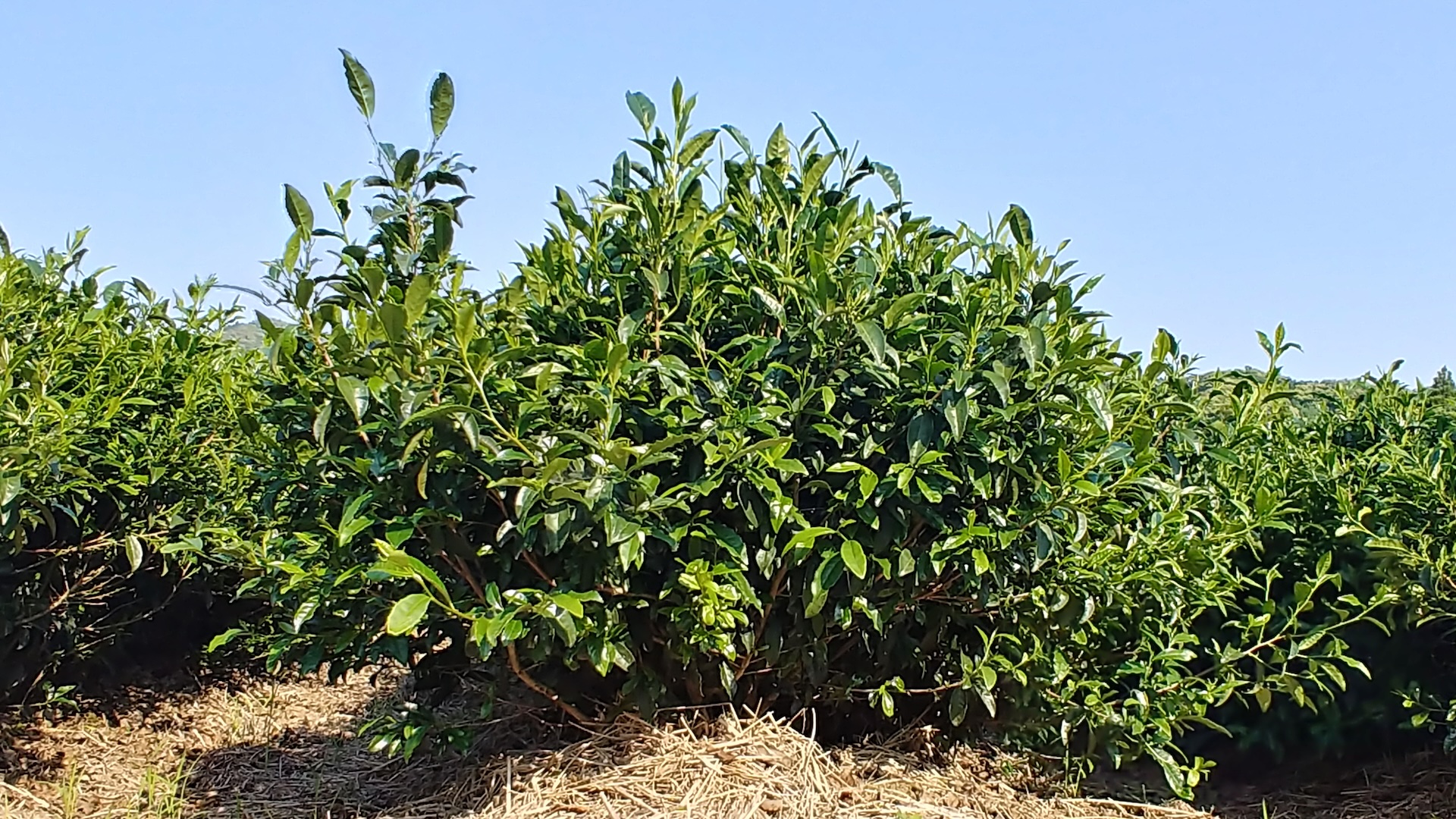
Kagoshima Gyokuro: Finding Its Way Across the Globe
Kagoshima is renowned for its vast tea production, yet Mr Sakamoto never sought to compete on volume. Instead, his path has been defined by single-origin organic teas crafted with an unwavering focus on quality and authenticity.
When producing gyokuro, success relies not only on the cultivar and processing, but also on the specific cultivation and shading methods used prior to harvest. The result is a tea characterized by rich umami, a fuller body, and a exceptionally smooth flavor profile.
When Mr Sakamoto began exploring international markets around 2010, Japanese green tea did not yet enjoy the widespread appreciation in Europe that it does today. Carrying samples straight from Kagoshima, he personally reached out to prospective buyers, introducing his teas to those seeking something truly exceptional.
As appreciation for fine tea grew, tea lovers began seeking out teas with clear provenance and single-cultivar transparency, rather than anonymous commercial blends. Today, the majority of the estate's production is exported worldwide, notably to the European Union and the United States.
His ambition is for Kagoshima tea to become a globally recognized benchmark for exceptional quality and provenance — much like Romanée-Conti in the world of fine wine.
From Shibushi to House of Teas
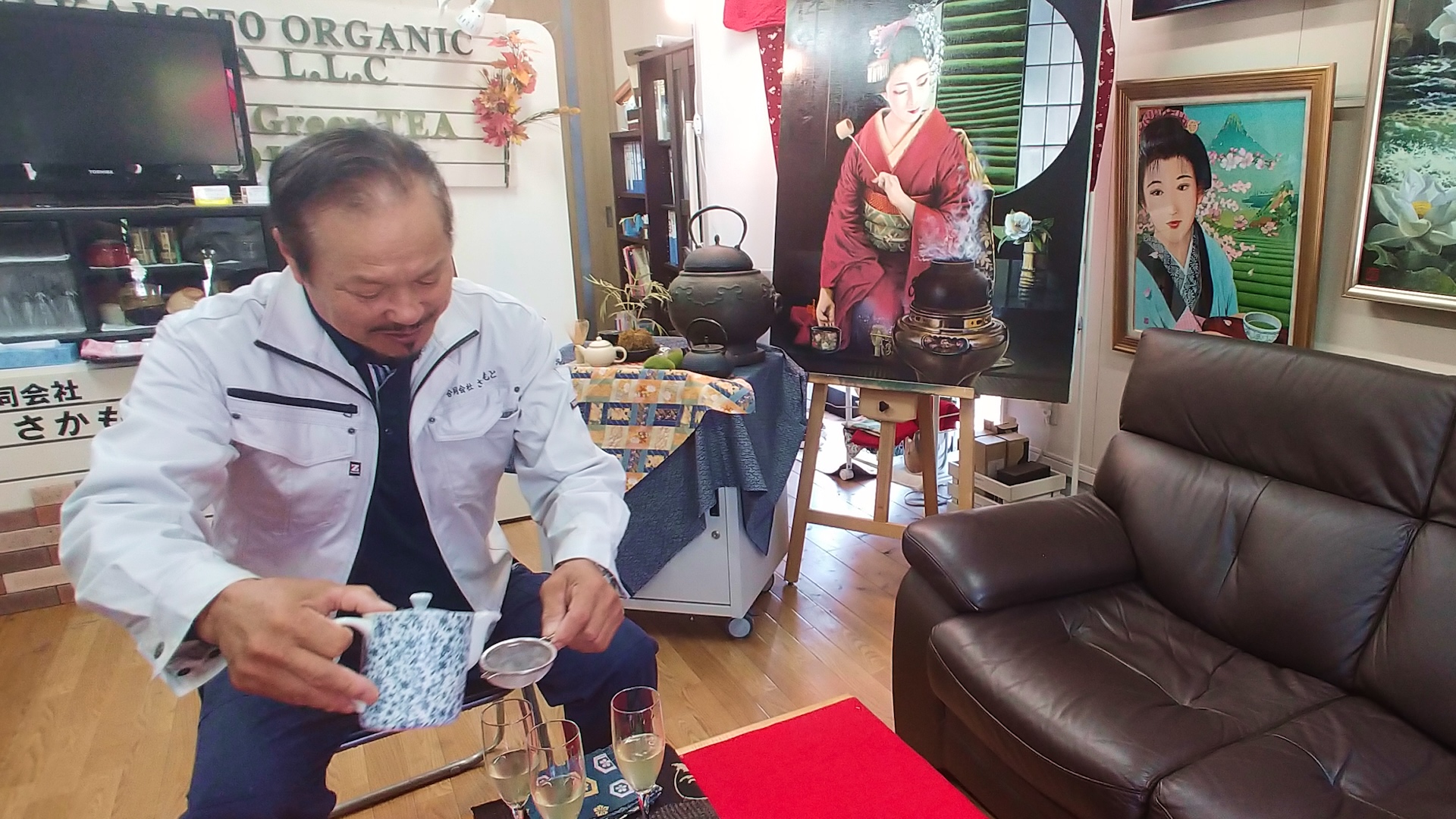
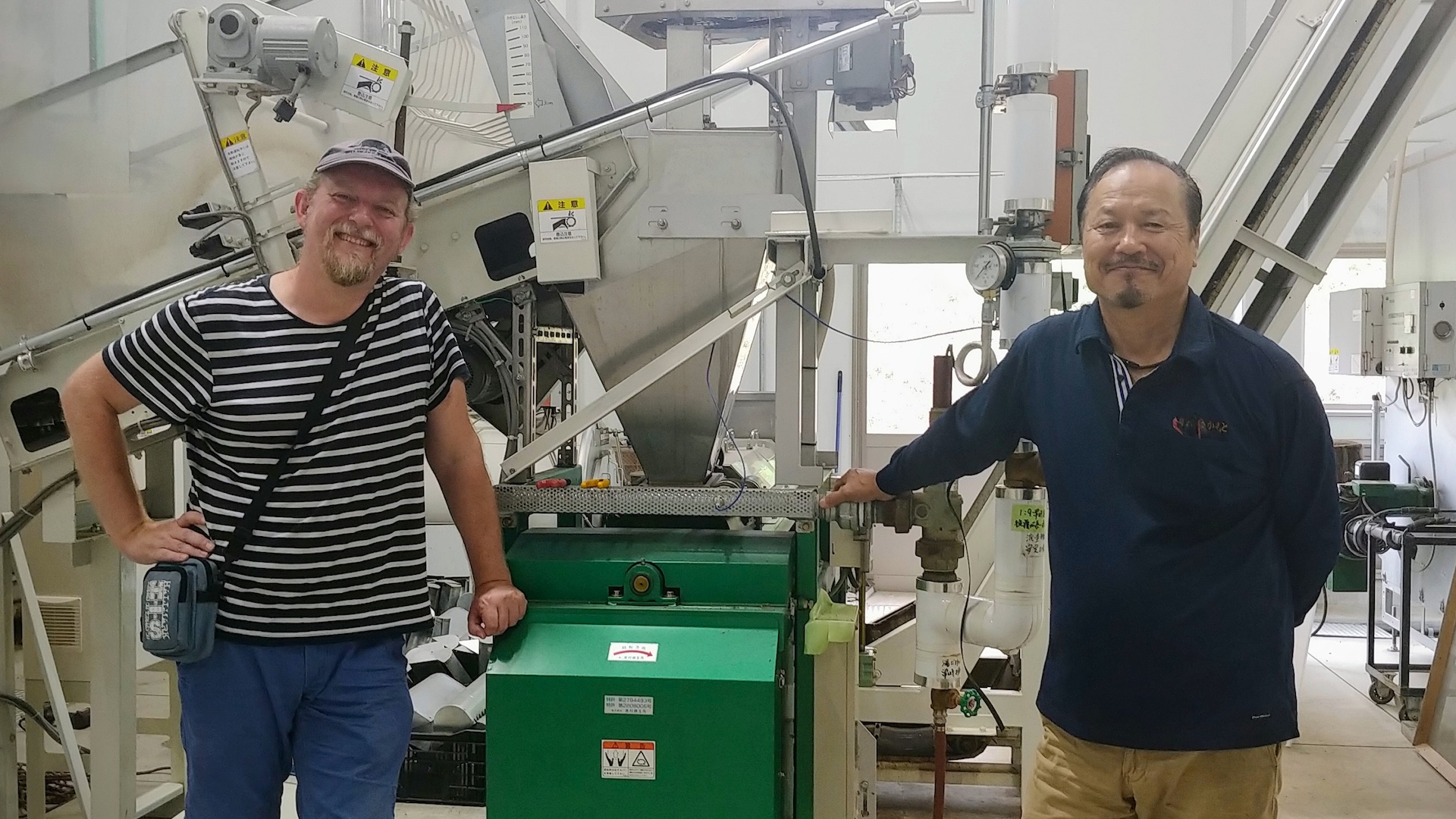
During one of his visits to Europe several years ago, Mr Shuichiro Sakamoto traveled to Bratislava and visited us at our House of Teas.
For us, it was a memorable meeting with a producer whose dedication we had long appreciated through his teas. Behind every cup lies a specific plantation, decades of expertise, and deliberate choices that shape the final quality of the leaf.
Now that his lifelong efforts have been recognized with one of Japan’s highest agricultural awards, we look back on that visit with even greater admiration. We later had the privilege of returning the visit, traveling to his tea estate in Kagoshima. There, he passionately shared his approach to organic cultivation, his commitment to producing top-tier teas, and the science behind his organic fermented fertiliser.
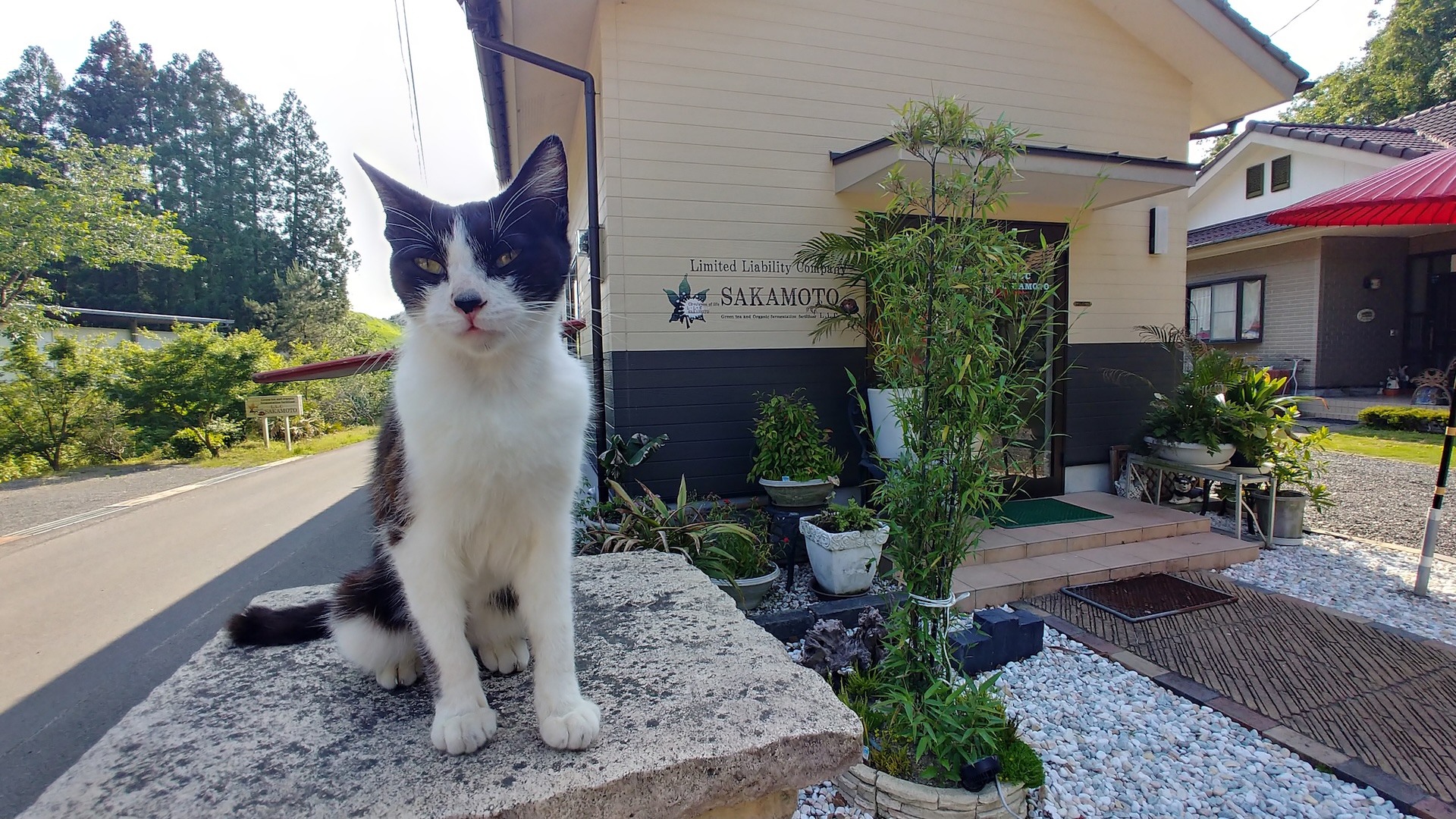
The tea fields were brimming with life — throughout our tour of the farm, we were accompanied by a resident cat, whose image we later featured on the labels of selected teas as a tribute to that visit.
At Čajový Dom, we believe that understanding the people and places behind our teas allows us to truly appreciate what goes into every cup. Mr Shuichiro Sakamoto’s journey demonstrates that extraordinary tea begins long before the leaves are ever steeped.
It is a delight to see teas from his native Kagoshima finding their way to tea enthusiasts across the globe — including here in Slovakia. We are proud to be a part in his story.
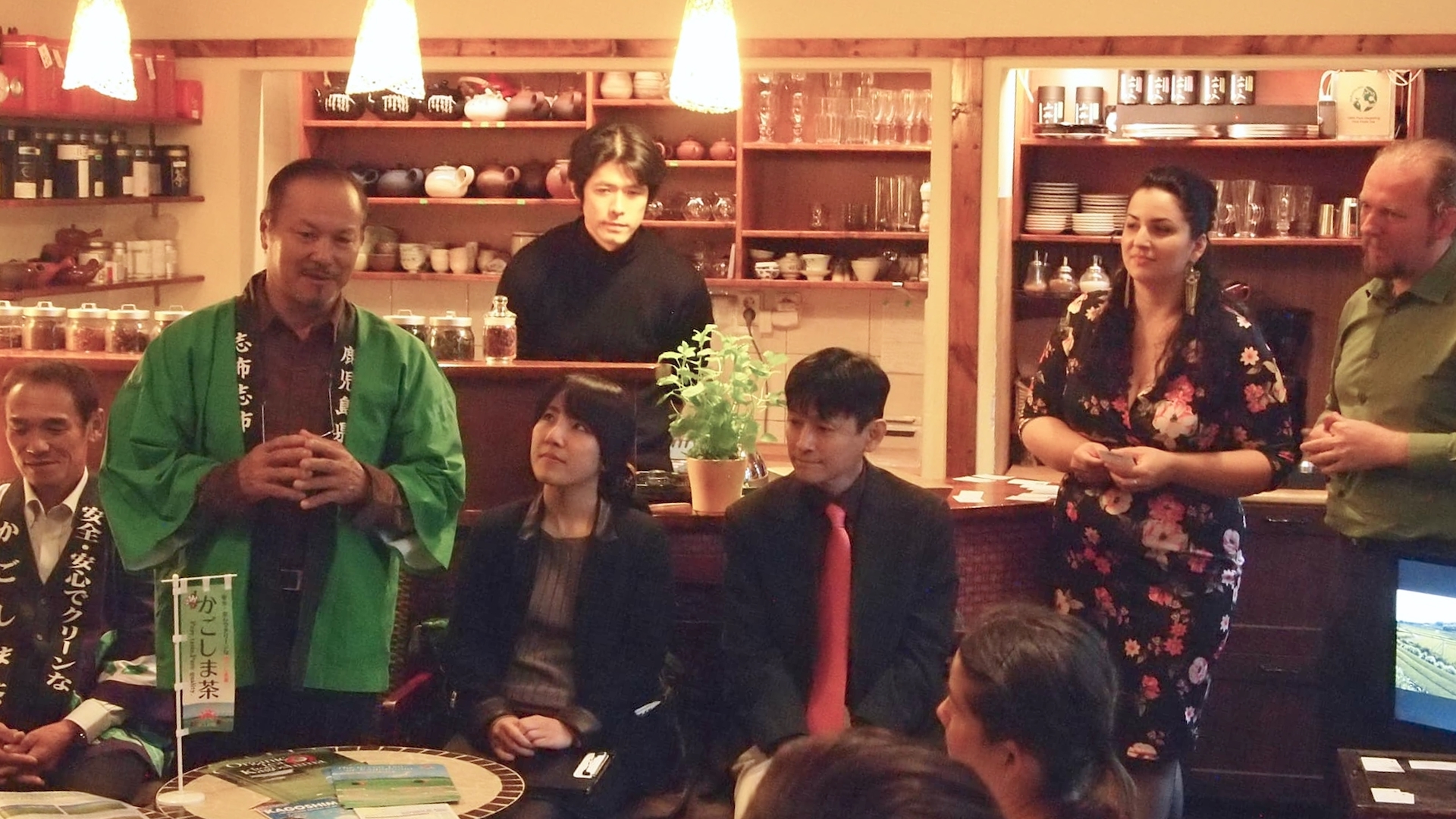
An Award That Honors More Than Just Tea
In 2026, the enterprise led by Shuichiro Sakamoto was awarded the top prize at the Japan Agriculture Awards. The distinction recognized decades of commitment to organic farming, the development of his signature fermented fertiliser, his unwavering focus on premium tea, and his success in building international markets.
This award stands as recognition of an approach refined over generations. Mr Sakamoto did not build his brand on a finished product alone; he seamlessly integrated cultivation, processing, fertiliser development, and distribution into a unified system where every element supports a shared vision.
Equally remarkable is his commitment to sharing this knowledge. He supplies his bokashi fertiliser to neighboring farmers and mentors newcomers looking to enter sustainable agriculture. He firmly believes that demonstrating the economic viability of high-quality organic tea production will inspire younger generations to return to tea farming and processing.
In recent years, many young people have moved away from traditional tea farming to pursue urban careers, leaving family fields untended. However, the surge in global demand for matcha offers a new avenue of opportunity. Alongside gyokuro, demand for tencha — the raw material used to produce matcha — has risen significantly. This "green gold" may well provide the impetus needed to revitalize family-run tea estates.
Producers like Mr Sakamoto stand ready to support them and set the benchmark high.
Taste the Teas of Mr Sakamoto from Kagoshima
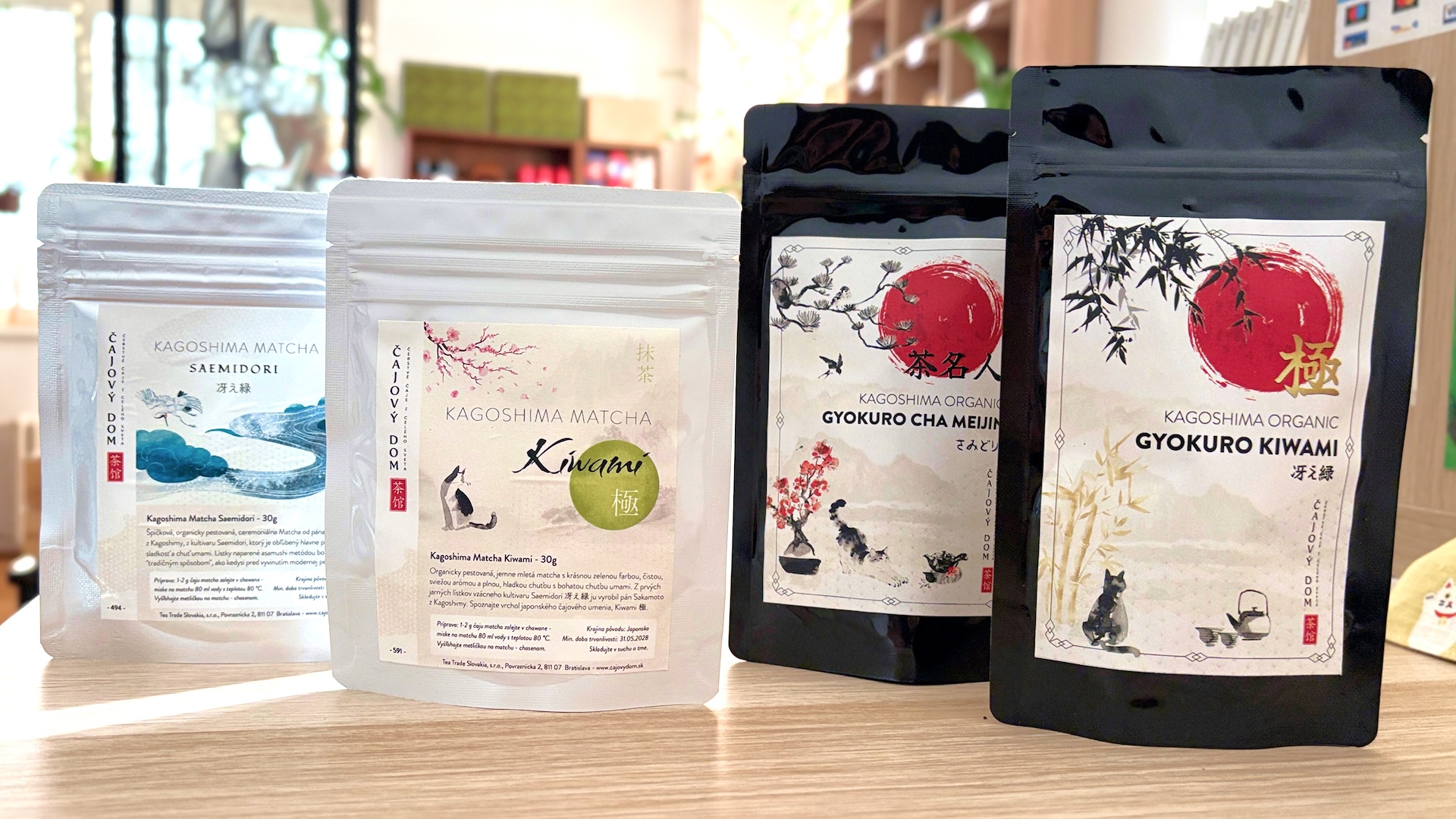
You can experience Shuichiro Sakamoto’s story firsthand through the curated selection of his teas available at Čajový Dom. These teas represent authentic Japanese heritage, deliberate leaf selection, and a deep respect for origin and craft.
Kagoshima Organic Gyokuro - Kiwami
Represents the pinnacle of tea craftsmanship. In Japan, the designation “Kiwami” (極) is reserved exclusively for that which reaches the absolute summit of perfection — a symbol of mastery, precision, and reverence for tradition. Gyokuro Kiwami is crafted with immense devotion and sensitivity to every detail.
Kagoshima Organic Gyokuro Cha Meijin
Translating to "Tea Master", this exclusive organically grown gyokuro undergoes a deep-steaming (fukamushi) process, further enhancing its rich, complex flavor.
Kagoshima Matcha Saemidori and Kagoshima Matcha Kiwami
Crafted from the sought-after Saemidori cultivar — a rare, early-harvest Japanese variety celebrated for its rich umami depth and vivid green color. In Japanese, Saemidori (冴え緑) translates to "clear/vivid green", perfectly describing the brilliant hue of its first spring leaves.
Discover teas shaped by a devoted artisan, a rich heritage, and decades of uncompromising craftsmanship.