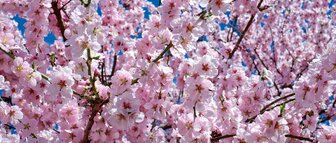
The Fragile Beauty of Sakura
When sakura begin to bloom in spring in Japan—ornamental Japanese cherry trees with delicate pink blossoms—the country seems to soften for a few days and time itself appears to slow down. Parks, streets and temple gardens fill with people who come to admire this brief yet deeply captivating spectacle of nature.
For the Japanese, sakura are more than just beautiful flowers. They have become one of the most powerful symbols of Japanese culture. They represent the beauty of the present moment, new beginnings, and at the same time the transience of life. The blossoms appear suddenly, unfold in full beauty, and after only a few days begin to fall like gentle pink snow. It is precisely this short flowering period that serves as a profound reminder that even the most beautiful moments are temporary.
This idea is closely connected with the concept of Mono no aware (物の哀れ) — the ability to pause, become aware of the present moment, and appreciate its fragile beauty, much like quietly savoring a cup of good tea.
Hanami – the Tradition of Flower Viewing
Closely connected with sakura is the tradition of Hanami (花見), literally “flower viewing.” During this season, families, friends and colleagues gather in parks, sit beneath blooming trees, and enjoy the arrival of spring together.
The tradition of hanami dates back more than a thousand years to the time of the imperial court. Over the centuries it gradually spread to all levels of society and today it is one of Japan’s most characteristic spring customs. Under the blossoming trees people often drink tea or sake and enjoy seasonal foods and sweets. It is not a loud celebration, but rather a calm gathering where people become aware of the beauty of nature and the present moment.
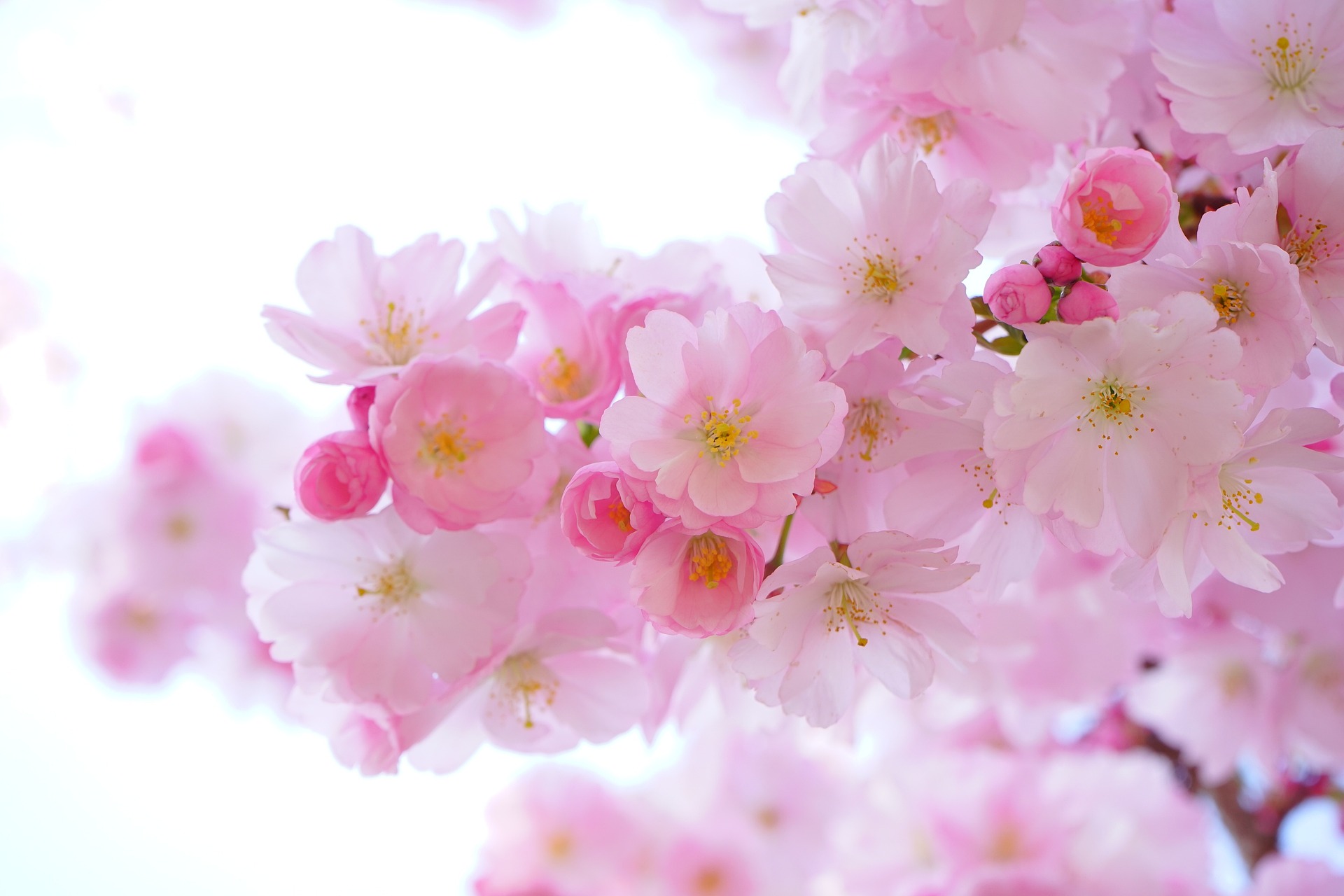
How Many Types of Sakura Are There?
In Japan there are more than 200 species and cultivars of sakura. They differ in color, flower shape and blooming time. The most famous variety is Somei Yoshino, known for its soft pale pink to almost white blossoms. This variety forms a large part of the cherry tree avenues in Japanese cities.
Among the other varieties are:
- Yamazakura – a native wild mountain cherry
- Shidarezakura – a “weeping” cherry with gracefully hanging branches
- Yaezakura – a cherry tree with dense, multi-layered blossoms
Some varieties bloom very early, while others flower several weeks later, which allows the sakura season to extend across different regions of the country.
The Blooming Map – The Sakura Front
The blooming of sakura is so important in Japan that every year people follow the so-called Sakura Front — the wave of blooming that gradually moves from the south to the north of the country.
Bloom forecasts, known as Sakura Zensen (桜前線), are regularly published by organizations such as the Japan Meteorological Corporation and the Japan Weather Association.
These organizations monitor weather conditions throughout winter and spring and continuously update maps showing when the first blossoms and the full bloom are expected in different cities.
See 2026 Cherry Blossom Forecast
The blooming usually begins in the south of the country — for example on the island of Kyushu — already in March. From there it gradually moves north through cities such as Tokyo and Kyoto, eventually reaching the island of Hokkaido, where sakura may bloom as late as late April or May.
For many Japanese people, following this map has become almost a spring ritual.
Sakura and Tea Culture
Although sakura are not tea plants themselves, their blossoms and the atmosphere of spring have their place in Japanese tea culture.
During the sakura season, special seasonal tea gatherings are often held, highlighting the fleeting beauty of spring. In the gardens of tea houses, guests meet over a bowl of tea while watching the blossoming trees — an experience similar in spirit to hanami.
The spring tea season also brings seasonal sweets called Wagashi (和菓子), which often resemble sakura blossoms in color or shape and are traditionally served with matcha.
There is even a special drink connected with sakura — Sakurayu, also known as sakura-cha (桜湯). It is an infusion made from pickled sakura blossoms and is served on festive occasions such as weddings.
In this way, tea culture also reflects what sakura symbolize most: the beauty of a fleeting moment.
Sakura and the First Spring Teas
The blooming of sakura often coincides with another important moment of spring in Japan — the arrival of the first tea harvests. Most notably with the tea known as Shincha (新茶), meaning “new tea.”
Shincha is the very first harvest of Japanese green tea in a given year. The leaves that have grown after the winter dormancy of the tea plant carry an exceptionally fresh aroma, gentle sweetness and lively spring character. For many tea lovers, it is one of the most treasured moments of the tea season.
The season of sakura and the arrival of shincha therefore form a natural connection in Japanese culture. Sakura remind us of the fleeting beauty of spring, while the new tea symbolizes the beginning of a new tea season.
It is no coincidence that at this time the first cup of fresh spring tea is often prepared in tea houses and homes alike — a quiet moment celebrating the arrival of spring, just like the blooming sakura.