This article was published in FITštýl magazine, issue no. 4/2026 | Vol. XIV
Interview with Jozef "Zajo" Zajac in Fit&Štýl Magazine
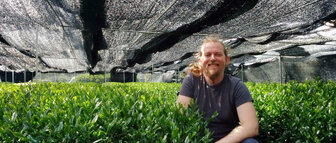
We speak with a man who has woven his professional and personal life around this fascinating tradition. For over two decades, he has been bringing top-quality teas to Slovakia and raising awareness about authentic tea culture through his tea room, Čajový dom — presenting tea not merely as a product, but as a path in life that enriches both body and mind.
Where coffee is often just a quick pick-me-up between tasks, he sees something far deeper: every cup of tea can be a moment of presence, a gentle pause, and an opportunity to notice the connections between body, mind, and the world around us. He trained under masters in Asia, but he also passes on his knowledge through tea schools and workshops that open the door to a richer understanding of tea.
In this interview, we immerse ourselves in the secrets of tea — its diverse traditions, deep rituals, common brewing mistakes, and its place in our daily lives and overall well-being.
What was your journey to tea, and what fascinates you most about it?
My journey to tea started with my grandmother in central Slovakia, who used to prepare herbal infusions for us using wild-gathered herbs. Later, when I moved to Bratislava for university, I discovered the magic of real tea made from the Camellia sinensis plant in local tea houses — and that was when a lifelong passion was born.
What fascinates me most about tea is the unbelievable diversity of flavours and aromas. It carries within it the richness of different cultures, the stories of the places where the bushes grow, and the unique signature of the tea master who crafted it. Even though I’ve had the opportunity to visit many tea-growing regions and taste hundreds of teas, even after more than 25 years I still encounter teas that thrill me and reveal something completely new. This process of constant discovery is what I find most captivating about the world of tea.
What are the main differences between tea traditions across tea-producing countries? Britain has its "five o'clock tea" — usually served with milk — whilst Japan and China have their own deep traditions...
The world of tea is constantly evolving, and it has taken on slightly different forms in every country.
If we look at Britain, for example, the tradition of afternoon tea comes with a fascinating story involving Duchess Anna Russell, a close friend of Queen Victoria. At that time, it was customary among the aristocracy to eat only two meals a day — breakfast and a late dinner. The Duchess came up with the idea of enjoying a cup of tea with a small snack in the afternoon. Over time, this habit grew into a social event and the tradition of "five o'clock tea", which remains a symbol of British tea culture to this day.
The story behind tea with milk is equally intriguing and is said to relate to Dutch attempts to copy Chinese porcelain. Their porcelain would crack when it came into contact with boiling water, so to reduce the thermal shock, they began pouring milk into the cup first, followed by the tea. This gradually became a habit that spread to Britain as well.
In India, tea with milk tells a different story. The British cultivated tea there during the colonial period. Higher-quality tea was primarily intended for export to the British market, leaving lower-quality teas behind in India. However, thanks to sacred cows, milk was abundant, so people began brewing tea together with milk, and later added sugar and spices. This gave birth to the classic Indian way of preparing tea and the globally popular masala chai.
Moving to China, the birthplace of tea, its preparation evolved alongside the dynasties. A major role was played by tea master Lu Yu, author of the famous work The Classic of Tea (Cha Jing), in which he describes the cultivation, processing, and ritual preparation of tea. Thanks to him, tea became part of a broader culture and gradually spread among ordinary people. In that era, tea was ground into powder and prepared by whisking it with a bamboo whisk. Later, brewing from whole leaves steeped in hot water took hold — a method we recognise today in the Chinese Gongfu cha ceremony.
Through Buddhism, tea also travelled to Japan, where monks preserved the method of preparing powdered tea. The foundations of the Japanese tea ceremony (Chadō) were laid by tea master Sen no Rikyū, who emphasised the principles of harmony, respect, purity, and meiticulous tranquility. Japanese tradition is therefore not just about the beverage itself, but about a holistic aesthetic and philosophical experience — from the architecture of the tea room to the precise movements of the host. Sen no Rikyū had three successors, and the three tea schools they established are still active today.
Speaking of different ways of preparing tea, which one is closest to your heart?
I’ve had the opportunity to visit several tea-producing countries, and in 2010 I completed a tea school programme in Beijing, China. There I gained a wealth of practical skills — from selecting tea correctly and assessing its quality to handling the tea during brewing itself. The programme included a state examination, part of which focused specifically on proper tea preparation.
When I teach people how to drink tea today, I focus on passing along this core skill: how to prepare tea so that you extract the very best from it. My approach is rooted in Chinese tradition, but I use a simpler, more natural form. Going fully in-depth into detailed rituals with all the traditional utensils can be quite complex. That’s why I prefer to show people a practical path that is easy to adopt in everyday life — so they can prepare quality tea at home and enjoy it without unnecessary fuss.
When you visit tea plantations in Asia, what do you look for when selecting teas?
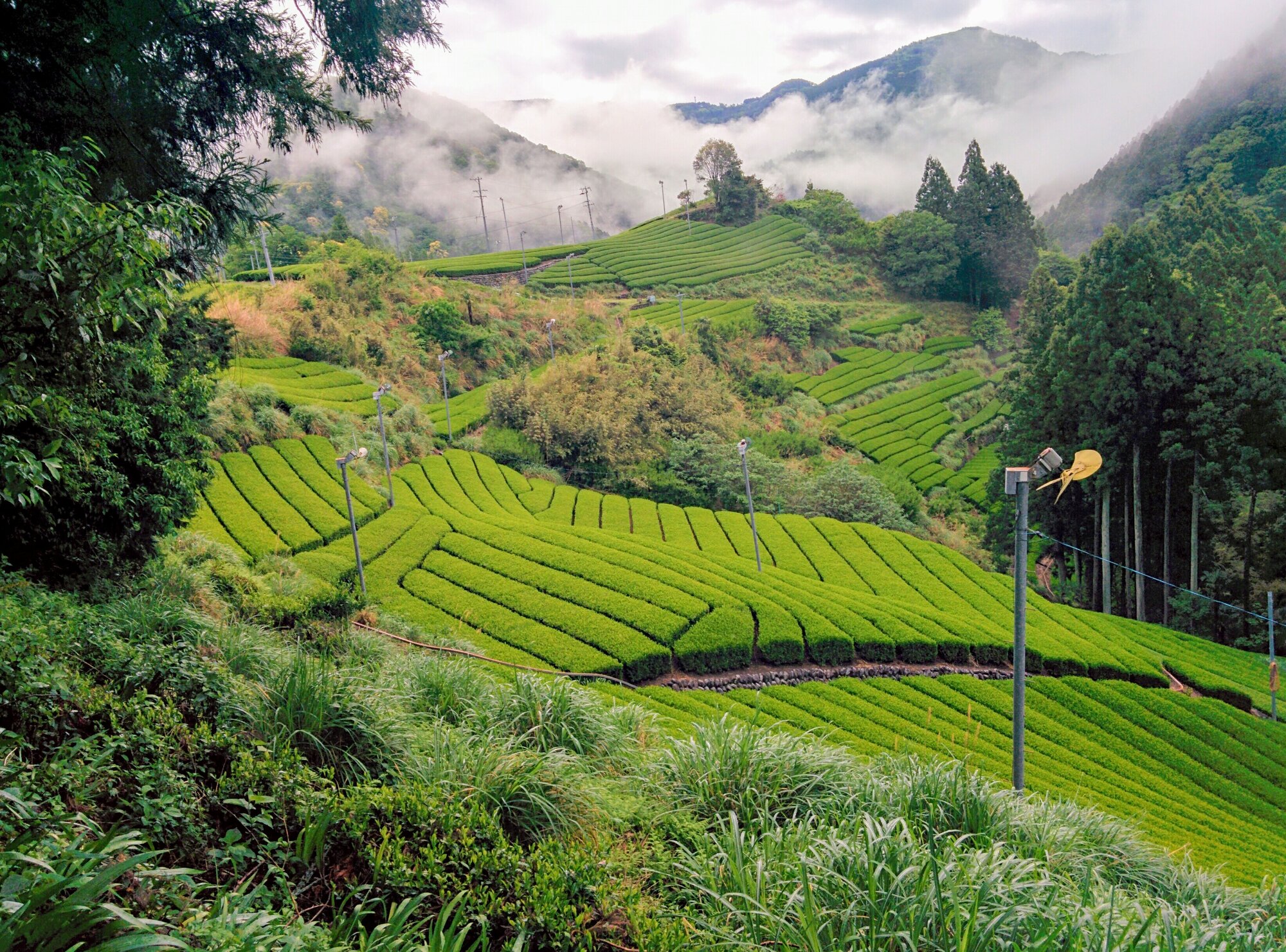
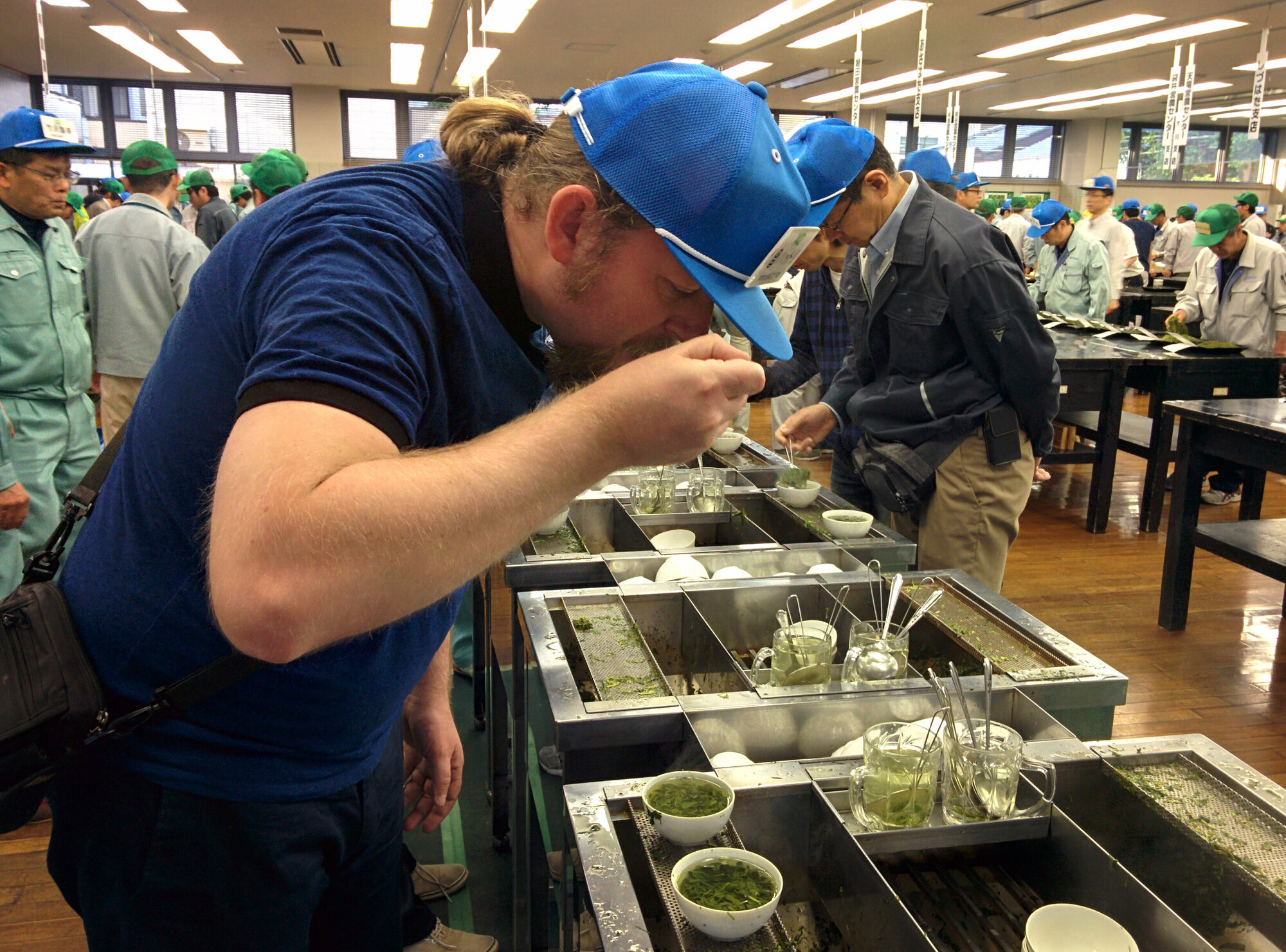
When I step onto a tea plantation, the first thing I notice is how it is cared for. Nature itself reveals a great deal about a farm. For instance, I check whether there are insects around. This is a vital indicator that chemical sprays are not being used. I look to see if there are earthworms in the soil or spiderwebs between the tea branches... Small signals like these tell me a lot about the environment in which the bushes grow and whether they can produce truly clean, high-quality tea.
Of course, the plantation itself is only the beginning. The final quality of the tea also depends heavily on how it is processed. That’s why it’s essential for me to taste the tea and look for any processing flaws or defects. I’ve visited tea factories in China, India, Nepal, and Japan. Meeting people who have dedicated their entire lives to growing and processing tea has been immensely valuable. The experience and insight I gained from them are things I rely on every time I stand on a plantation or evaluate tea quality.
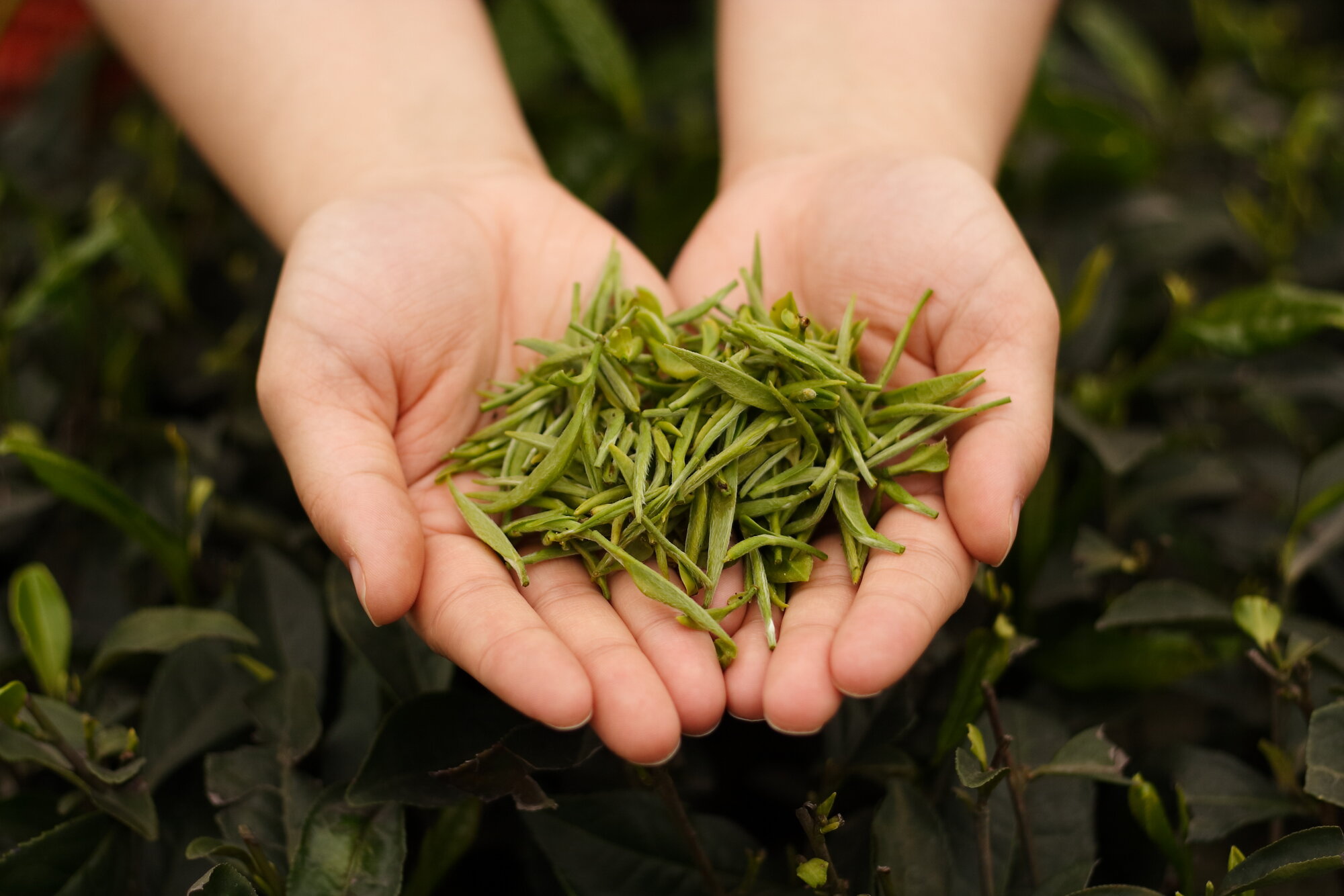
The harvest timing is another key factor. If a tea is to meet my standards for taste and quality, it usually comes from the spring harvest. During this period, all the plant’s energy is concentrated into the buds and young leaves, which contain the highest levels of aromatic and health-boosting compounds. However, if I’m searching for a tea with a specific effect — such as one that helps with allergies — I look for high levels of particular compounds, like methylated catechins. In that case, it’s crucial to know at which time of year the tea plant naturally accumulates them.
Have you ever tried picking tea yourself?
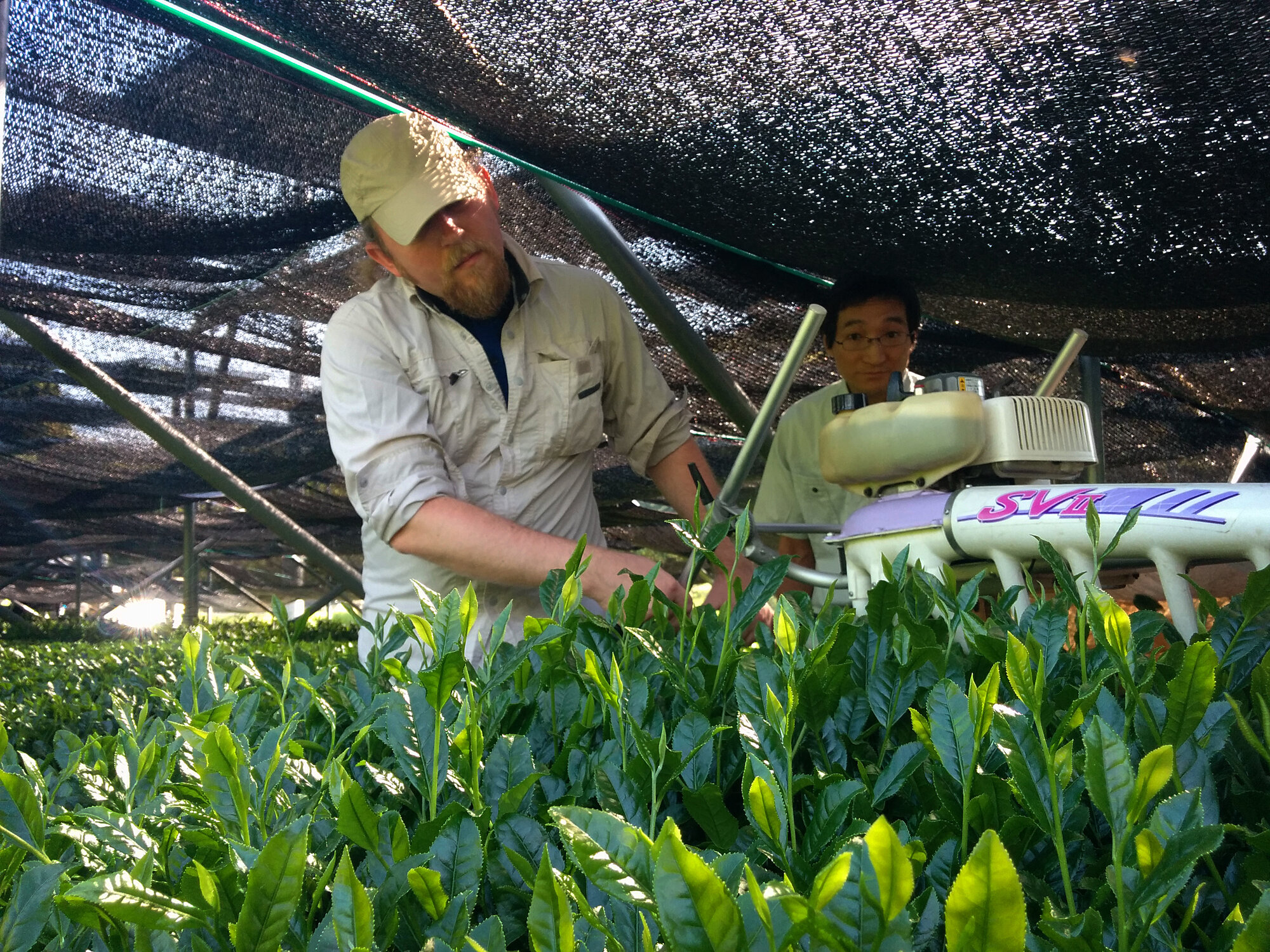
Yes, I’ve had the chance to try both picking and hand-processing tea. During my travels, I’ve seen various production methods, but it was in Japan that I had the opportunity to try the temomi technique — a traditional hand-processing method nowadays reserved almost exclusively for competition teas. It is an extremely demanding process. Alongside the tea master, there were five students, and we took turns working for about five hours. We started with roughly three kilograms of freshly picked green leaves and ended up with about 600 grams of finished tea.
It was a profound moment for me. Until then, I understood the processing stages theoretically, but it was only when I experienced the whole process with my own hands that everything clicked into place. Suddenly, I understood why the machinery was invented — every piece of technology essentially replaces a specific step of original manual labour.
Experiences like this help you gain a much deeper appreciation of differences in taste. For instance, why Japanese green tea often has a bolder, punchier flavour than Chinese green tea. The outcome is shaped by many factors — climate, altitude, rainfall, soil care, harvest time, and the master’s skill in processing. At higher altitudes, the tea bush grows more slowly, leaves tend to be smaller, and the concentration of aromatic compounds is often higher. Cultivars also play a huge role. Just as with wine, where different grape varieties exist, tea has its own cultivars — some are more aromatic, others have stronger flavour profiles, and each produces a distinct tea.
Could you say that the higher the tea is grown, the better its quality?
It’s not a strict rule. Although it’s often said that teas grown at higher elevations are of higher quality, in reality, a lot depends on the microclimate of a specific region.
Japan is a fascinating example. The country sits at the intersection of four tectonic plates, creating incredibly diverse soil conditions. As a result, the exact same tea cultivar grown in two neighbouring valleys can taste completely different. The variation is caused by the bedrock, soil composition, minerals, or water in that specific spot.
The Chinese tea master Lu Yu once said that the finest areas for tea cultivation are places of "eternal spring" — locations without extreme temperature fluctuations, with plenty of moisture, but also an adequate amount of sunlight.
What are the most common mistakes when brewing tea? Or can a brewing mistake lead to discovering another dimension of the tea?
Taste in tea is very personal, and it’s influenced by our overall diet. Everything we eat and drink shapes our palate. Someone accustomed to strong, bold flavours will naturally gravitate towards a stronger brew. Conversely, someone who prefers lighter or plant-based foods may appreciate delicate, subtle tea notes.
Furthermore, tea flavour is influenced by the brewing process itself — particularly water temperature and steeping time. They say no tea tastes the same twice. We perceive it differently when it’s raining outside compared to when the sun is shining; our mood and environment play a real part in how we experience a cup.
If someone doesn’t enjoy a tea, it usually comes down to two things: the brewing method or the water quality. If the tea is too strong or bitter, it can easily be softened by diluting it with warm water. However, if the taste remains unpleasant, the issue might lie in the water itself. Water high in mineral content can react with the tea, creating harsh or bitter notes. Soft water with low mineral content is best. Lu Yu even stated that the finest water for tea comes from the upper reaches of mountain streams. In our conditions, filtered water or low-mineral bottled water works very well.
As for brewing mistakes, they aren’t always a bad thing! Sometimes a little unplanned experimentation with water temperature or steeping time reveals entirely new layers of flavor in a tea. Tea leaves plenty of room for discovery, and everyone can find their own way to enjoy it.
How can one build a personal tea ritual focused on relaxation and presence? And what are the differences between green, white, black, and fermented teas?
For me, tea is ultimately about time and people. I enjoy drinking it most in good company — when we can sit together, talk, and appreciate the tea’s flavour and the surrounding atmosphere. When I drink tea alone, it’s usually for work — tasting samples or assessing quality. But when I want to truly unwind, I love sharing it with others.
Of course, there are moments when you need to be alone with your thoughts. Tea can be a wonderful companion then, too. Simply choose a tea with a calming character, prepare it mindfully without rushing, feel the aroma and the warmth of the cup in your hands, and gradually focus on the present moment. In this way, tea helps us slow down and become more present.
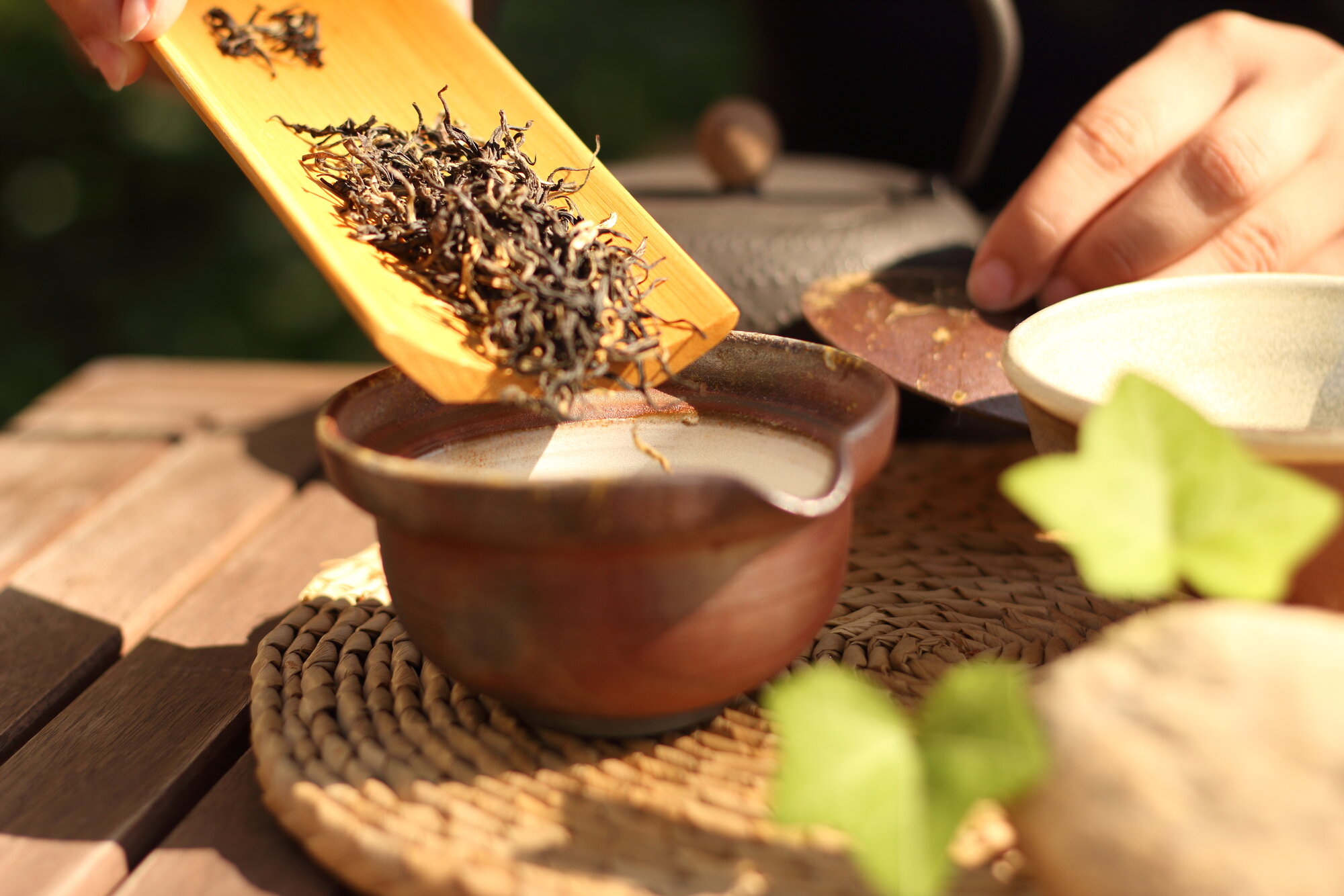
If someone is just starting out with tea and doesn’t know where to begin, I often recommend an oolong — a semi-oxidised tea. It’s a safe and versatile choice. Depending on whether you prefer floral or fruity notes, you can choose a lighter or medium-oxidised variety, such as a GABA oolong. What's more, it’s fairly easy to prepare, and even if it steeps a little longer than intended, it won’t lose its pleasant flavour. For many, oolong serves as the ideal gateway into the world of tea.
Gradually, people go on to explore Chinese teas, where aroma often takes centre stage, or Japanese teas, where the focus lies heavily on flavour and umami.
And the differences in health benefits? Green, white, black, and fermented?
The effects of tea depend largely on how the leaves are processed.
-
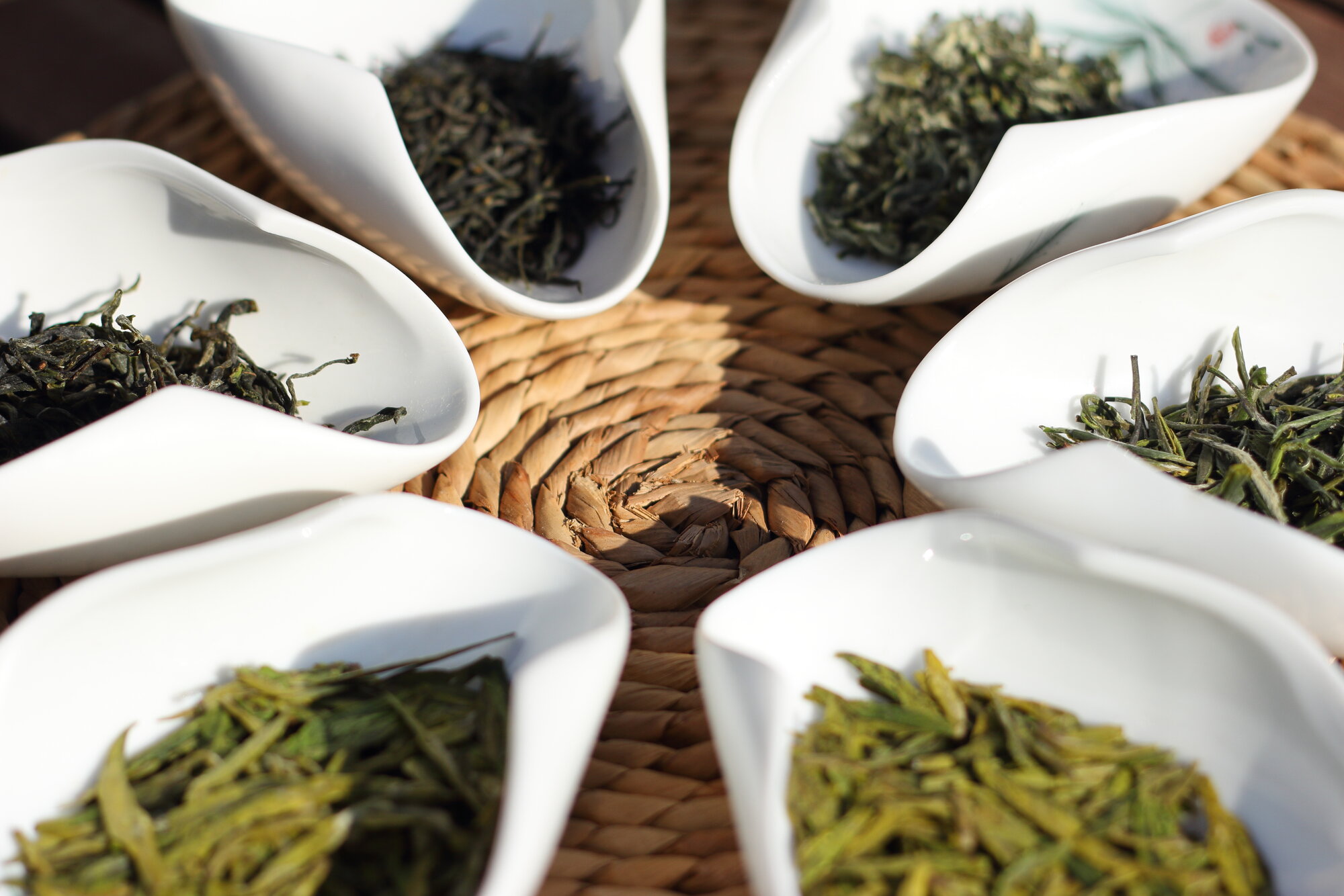
White Tea: Undergoes minimal processing — after harvesting, the leaves are essentially just dried, much like traditional herbal teas. Because of this, white tea retains many of its natural enzymes, resulting in a gentle character. It’s often highlighted for its anti-aging properties and is usually very gentle on the stomach.
-
Green Tea: Famous for its high concentration of antioxidants, particularly catechins. If the tea bushes are shaded before harvest, the amino acid content rises — notably L-theanine, which benefits brain function and promotes focus. Shaded teas also tend to have a smoother, sweeter taste.
-
Black Tea: During oxidation, catechins are converted into other compounds, such as theaflavins and thearubigins. These give the tea its characteristic color, offer antioxidant and anti-inflammatory properties, and support cardiovascular health. Black tea can also aid digestion and is even used in traditional applications as a compress for mild skin irritations.
-
Fermented Tea (e.g. Pu-Erh): During the aging process, micro-organisms actively transform the tea, which can positively impact digestion and gut flora.
In Japanese tradition, there are even teas harvested late in the growing season when the chemical makeup of the plant shifts, resulting in more alkaline leaves. Teas like these are often featured in macrobiotic diets.
Generally speaking, it's best to rotate your teas. Drinking only one type of tea is a bit like eating only one type of fruit your entire life!
Looking at its effects — there is a common belief: "don't drink green tea, you won't sleep", or "don't have black tea in the evening, you won't sleep". Aren't these a bit of a myth?
The tea plant naturally contains caffeine. For the plant itself, it acts as a form of protection — part of its defence mechanism against insects, as caffeine is toxic to many species.
However, the key difference between coffee and tea lies in how caffeine affects the human body. Coffee contains mostly free caffeine, which acts quickly — giving you a sharp boost, but followed by a rapid slump in energy. In tea, caffeine binds with other compounds — such as L-theanine — which soften and slow down its absorption. The invigorating effect arrives more gradually, but it can last longer — sometimes three to four hours.
This is why drinking tea late in the evening can indeed make it harder for some people to fall asleep. However, you can manage this to some extent. For instance, by discarding the first infusion, which contains the highest concentration of caffeine, or by choosing a tea with naturally lower caffeine levels.
There are even teas that can actively promote relaxation. A fascinating example is GABA tea, produced through a special anaerobic processing method. It contains gamma-aminobutyric acid — a natural inhibitory neurotransmitter that helps regulate neural activity and sleep cycles.
Generally speaking, revitalising teas like green tea or Darjeeling are better suited for the morning and daytime. In the evening, it’s best to reach for gentler teas with a soothing effect, or oolongs.
You mentioned infusions just now — that there can be one, two, or three. How do you determine which tea is suitable for multiple infusions and which isn’t?
As a general rule, high-quality tea can be steeped multiple times. The more whole and undamaged the tea leaves are, the smoother the flavour will be. Breaking the leaf structure causes compounds like catechins — which impart bitter and astringent notes — to release much faster. Teas in tea bags are usually finely broken so they release their flavour immediately on the first steep. However, such tea is rarely suitable for subsequent infusions.
Whole-leaf teas are a different story. The flavour unfolds gradually, meaning every subsequent infusion can reveal a slightly different character. Different water temperatures release different compounds from the leaves. For instance, temperatures above 70°C release more catechins, whereas temperatures below 40°C allow amino acids like L-theanine — which have a calming effect — to dominate.
Using just five grams of high-quality tea leaves, you can prepare around a litre of tea. Typically, you can get four to six infusions from them, but I’ve encountered teas that held up gracefully through ten or more steeps.
When brewing tea, it’s also wonderful not to forget the leaves themselves. Their aroma evolves with temperature, so it’s great practice to smell the leaves between infusions. That’s often when you discover the tea's most delicate aromatic layers.
Why do tea rooms and tea experts struggle to establish themselves today compared to, say, coffee shops? Is it because we live faster lives and find it hard to slow down for tea?
Coffee is, in a sense, a fast beverage. People often say that drinking coffee is like a rushed commute to the office, whereas drinking tea is more like a peaceful stroll through a garden in bloom. Tea simply demands time. It isn’t a drink you gulp down on the go — it’s about stopping, enjoying a quiet moment, and exploring new flavours and aromas.
Many people also worry that they won’t prepare tea correctly. In truth, there’s nothing complex about it. If something goes wrong and the brew turns out too strong, you simply dilute it with a little warm water. Tea is about curiosity and discovery rather than strict rules.
That is one reason why tea rooms face a tougher challenge in today’s fast-paced world. A guest might sit over a single teapot for an hour or more, gradually discovering how its flavour changes with each steep. While a table in a coffee shop might turn over several times, guests in a tea room tend to stay longer, enjoying their tea at a gentler pace.
The situation has also been shaped by broader shifts in the business environment and society — the pandemic, fewer face-to-face gatherings, rising costs, and increasingly hectic lifestyles.
On the other hand, we’re seeing the opposite trend emerge. More and more people are stepping back from coffee because it makes them jittery or feels heavy on the stomach. Tea offers a gentler, more sustained energy that aids focus. That is why I believe many people have yet to discover just how rich and fascinating the world of tea truly is.
Which tea has given you the most unforgettable experience?
One of the most profound experiences for me was with a competition-grade Japanese gyokuro, prepared in the traditional manner. Several of us were sitting around a table, and as we tasted it, a remarkable thing happened — the lively chatter suddenly turned into absolute silence. It felt as though the tea had briefly pulled us out of reality. The flavour experience was so intense that we lost all sense of time and space.
Moments like that show just how powerful tea can be. It often happens that an aroma or flavour awakens deep memories — suddenly bringing back a place or a moment from someone’s past. That is what brings me the greatest joy in tea tasting.
If you had to recommend one tea for our readers, which would it be and why? What do I need if I’m just starting out with tea?
For a complete beginner, I would recommend an oolong, as it is relatively forgiving to brew. Even if it steeps a little longer than intended, it rarely becomes over-extracted or loses its pleasant flavour.
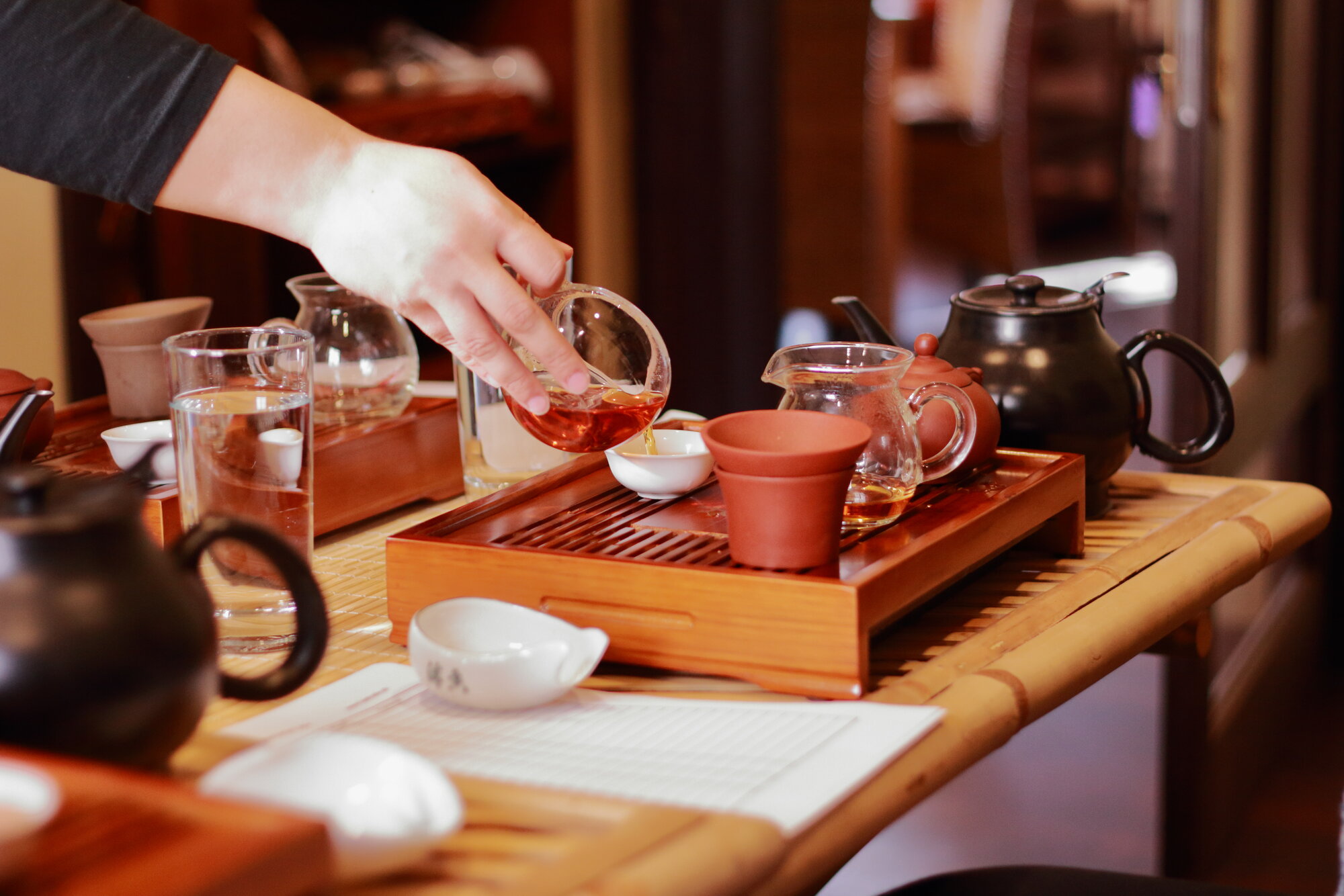
To get started, all you need is a small teapot — ideally with a capacity of around 200 ml — and a fairness pitcher, which the Chinese call the "Cup of Justice" (Cha Hai). It ensures that the brewed tea is poured into the pitcher first before being served into cups, so the infusion mixes evenly and everyone gets the exact same strength.
A small digital scale and a thermometer can also be very useful. The same weight of different teas can vary dramatically in volume — five grams of rolled oolong looks completely different from five grams of fluffy, whole-leaf white tea.
When choosing tea, it’s also good to know where it comes from and when it was harvested. If a seller can provide this information and recommend a tea tailored to your taste, it’s always a great sign. We pride ourselves on being able to guide our customers and help them find a tea that suits their preferences. When those elements align, customers return to explore the next tea. Sometimes they become so passionate that they join our Tea School or tastings, which open the door to the world of tea even wider.
How does the Tea School you run work?
We have been running the Tea School since 2008, when we first trained sommeliers from the Sommelier Association of the Slovak Republic. Over time, we integrated our rich experiences from Chinese tea school studies and our own tea journeys.
The curriculum is designed as a comprehensive overview of the tea world. Participants are introduced to different categories of tea, their origins, and processing methods, learning what to focus on — whether it’s aroma, flavour, or the appearance of the leaf. During the course, we taste around twenty different teas, allowing participants to compare them side by side. Everyone keeps notes on the teas that intrigue them most, gradually carving out their own path through this fascinating world.
The practical element is equally important. Participants learn how to brew tea correctly, how many leaves to use, the ideal water temperatures, and how flavour evolves across infusions. It isn’t just a lecture — it’s a hands-on tea experience.
What tea would you recommend to someone going through a challenging period?
For mental strain or stress, the finest choice from the tea world is undoubtedly GABA tea. GABA acts as a natural neurotransmitter in the brain that helps regulate neural activity. A deficiency can manifest as tension, restlessness, low mood, or anxiety. Some of our customers even tell us that drinking GABA tea at the onset of a migraine helps prevent or ease it.
The processing technique for GABA tea was developed in Japan. Given their large ageing population, a significant amount of research is dedicated to it. Scientists are studying its effects on the brain, the nervous system, and synaptic plasticity. Modern science is gradually confirming what traditional Chinese medicine recognized 5,000 years ago — that tea possesses genuine health-restoring properties.
We have been working with GABA tea for several years now, and together with our colleagues in Japan, we’ve managed to refine a processing method that naturally yields an exceptionally high GABA content in the leaves. This allows us to offer our customers an extraordinary tea crafted according to our own proprietary technique.
Miraculous Pu-Erh for weight loss: Myth or fact?
It is a reality to an extent, but it certainly isn’t a miracle potion that will cause weight loss on its own. The fundamental rule applies here as everywhere else — if energy intake significantly exceeds expenditure, tea alone won’t fix it.
Pu-Erh is a fermented tea that can support digestion, help lower cholesterol levels, and contains beneficial compounds for gut flora. Some studies also highlight its influence on fat metabolism and reducing fat absorption in the body.
In China, it is quite common to drink Pu-Erh after heavy, greasy meals or rich desserts. In traditional Chinese medicine, it was even used for mild digestive discomfort or mild food poisoning.
Matcha Mania: What to watch out for, and how to spot truly authentic matcha?
Today, the term matcha often means something quite different in Europe compared to Japan. Under European food standards, any powdered green tea originating from Japan can be labelled as matcha. However, this opens the door to products that wouldn't be considered true matcha in Japan.
Traditional matcha comes from specially cultivated tea plants. Roughly three to four weeks before harvest, the tea bushes are shaded. This alters photosynthesis and boosts amino acid levels — particularly L-theanine — which contributes to a smooth, sweet flavour while promoting alertness and focus. This is precisely why Buddhist monks drank matcha during meditation.
The processing method is equally crucial. After harvesting, the stems and veins are carefully removed from the leaves to ensure a smoother flavour and silky texture. The leaves are then ground very slowly on traditional granite stone mills. Grinding too quickly would generate heat and ruin the delicate leaves. A traditional mill can only produce about 40 grams of matcha per hour. It is this low-temperature grinding that preserves the tea's precious nutrients.
Thus, authentic matcha is defined primarily by its cultivation and processing, not merely by the fact that it is powdered green tea. That is also why genuine matcha is relatively expensive. Global demand has surged in recent years, whilst production capacity remains strictly limited. Over the past year alone, wholesale prices for premium Japanese matcha directly from producers have nearly doubled. Prices in Japan are currently at historic highs, and there is no indication that they will fall anytime soon.
When choosing matcha, always pay attention to its origin. The first indicator of quality is a vibrant, bright green colour. High-grade matcha boasts a vivid, electric-green hue, a delicate sweet aroma, and a smooth, creamy taste. These qualities confirm that you are enjoying a tea crafted with the same care that tea masters have devoted to it for centuries.